Gravis Font: A Modern Display Typeface for Creative Design Projects
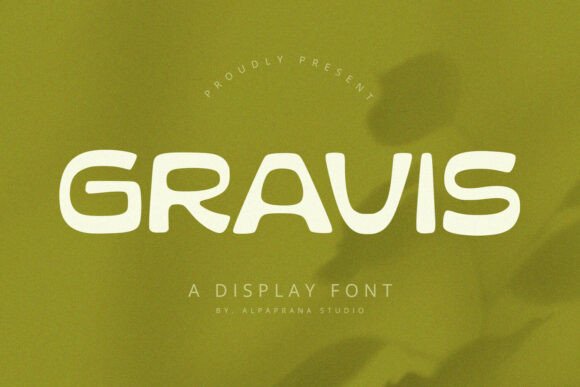
Typography plays a crucial role in visual communication, influencing how audiences perceive and interact with design elements. Among the many display fonts available today, Gravis stands out for its modern and playful aesthetic. Designed by Alpaprana, Gravis is more than just a typeface—it's a versatile tool for designers seeking to inject personality into their work. Whether used in branding, packaging, or editorial design, Gravis offers a unique blend of style and functionality that makes it suitable for a wide range of creative applications.
Understanding Gravis: A Display Font with Character
As a display font, Gravis is crafted to be visually striking and attention-grabbing. Unlike body fonts designed for long-form readability, display fonts like Gravis are best used in short bursts—such as headlines, logos, or product packaging—where visual impact is key. What sets Gravis apart is its modern, slightly rounded structure that balances boldness with approachability. The font’s playful yet refined appearance makes it an ideal choice for designers looking to communicate both energy and sophistication.
Gravis is available in multiple formats—OTF, TTF, and WOFF—ensuring compatibility across platforms and applications. This flexibility allows designers to use the font seamlessly in both print and digital environments, from website headers to printed posters. The font supports a wide array of typographic features, making it a reliable and adaptable option for various design needs.
Key Features That Make Gravis Stand Out
One of the reasons Gravis is gaining popularity among designers is its comprehensive feature set. Here are some of the standout characteristics that enhance its usability and design potential:
- Comprehensive Character Set: Gravis includes uppercase and lowercase letters, numerals, punctuation, and OpenType standard features, making it suitable for multilingual design projects.
- Accented Characters and Ligatures: These typographic enhancements allow for more natural and elegant text composition, especially in languages that require diacritics or special letterforms.
- Stylistic Sets and Alternatives: Gravis offers alternative letterforms and stylistic variations that can be used to customize the appearance of text for branding or design-specific needs.
- Cross-Platform Compatibility: The font works seamlessly on both PC and Mac systems, and installation is straightforward, ensuring minimal technical friction for users.
Practical Applications of Gravis in Design
Gravis is not just a stylish typeface—it’s also highly functional across a variety of design contexts. Here are some of the most common and effective uses for this versatile font:
Branding and Logo Design
Logos need to be memorable, and typography is a critical component of brand identity. Gravis’s bold, modern structure makes it an excellent choice for creating logos that stand out. Its playful yet professional appearance works particularly well for brands targeting younger audiences or those in creative industries like fashion, lifestyle, or entertainment.
Packaging and Product Design
From t-shirts to shopping bags and book covers, Gravis adds a contemporary flair to product packaging. Its clear letterforms ensure readability at a glance, while its distinctive style enhances the visual appeal of any product label or design element.
Editorial and Print Media
Magazines, posters, and book covers often rely on display fonts to create visual hierarchy and draw attention. Gravis is well-suited for these purposes, especially when a modern, energetic tone is desired. Its adaptability allows it to fit seamlessly into both minimalist and more elaborate design layouts.
Web and Digital Design
With support for WOFF format, Gravis can be used effectively in web design. Whether for a website’s main header or a call-to-action button, this font adds a touch of personality without compromising readability. Designers can confidently use Gravis in digital spaces knowing it will render consistently across browsers and devices.
Why Designers Choose Gravis Over Other Display Fonts
There are countless display fonts available, so what makes Gravis a preferred choice for many designers? The answer lies in its thoughtful design and practical usability:
- Balance of Playfulness and Professionalism: Gravis manages to feel both fun and refined, making it versatile enough for different design tones and audiences.
- Typographic Richness: With ligatures, stylistic alternates, and multilingual support, Gravis offers more depth than many basic display fonts, allowing for more creative control.
- Easy Integration: The font’s straightforward installation and compatibility with both PC and Mac systems make it accessible to a wide range of users, from hobbyists to professionals.
- Scalability Across Mediums: Whether used in print or digital, large or small, Gravis maintains its visual integrity, ensuring consistent branding and design quality.
Who Can Benefit from Using Gravis?
Gravis is not limited to a specific niche or design discipline. Its broad applicability makes it a valuable asset for various professionals and creators:
- Graphic Designers: Ideal for branding, editorial design, and illustration projects where typography plays a central role.
- Web Developers: The WOFF format ensures Gravis can be used effectively in responsive and visually engaging websites.
- Entrepreneurs and Business Owners: Startups and small businesses can use Gravis to craft a modern, memorable brand identity without the need for custom typography.
- Print and Packaging Designers: From clothing labels to product packaging, Gravis adds a distinctive visual element that enhances shelf appeal.
- Photographers and Event Planners: For promotional materials like posters, invitations, and social media graphics, Gravis offers a stylish and cohesive typographic solution.
Getting the Most Out of Gravis: Tips for Effective Use
While Gravis is a powerful font, like any design element, it’s most effective when used thoughtfully. Here are some tips to help you make the most of Gravis in your projects:
- Pair with Complementary Fonts: To maintain visual harmony, pair Gravis with clean sans-serif or serif fonts for body text. This contrast ensures readability while letting Gravis shine as a headline or accent font.
- Use Stylistic Alternates Creatively: Explore the font’s alternate characters and ligatures to add unique touches to logos, quotes, or other short-form text.
- Test Across Mediums: Before finalizing a design, check how Gravis looks in different sizes and formats—especially for print and mobile web use.
- Keep It Legible: While Gravis is bold and expressive, avoid using it in situations where clarity might be compromised, such as small text or low-contrast backgrounds.
Conclusion
In the ever-evolving world of design, typography remains a powerful tool for communication and branding. Gravis offers a compelling combination of modernity, playfulness, and functionality that makes it a standout choice for a wide range of creative projects. Whether you're designing a logo, a product label, or a digital campaign, Gravis provides the flexibility and visual appeal needed to capture attention and convey your message effectively. If you're looking to elevate your typographic toolkit, consider giving Gravis a try—Alpaprana has crafted a font that’s both expressive and practical, designed to help your creativity shine.