Early Signature: A Modern Display Font for Dynamic Design Workflows
Designers, marketers, and creative professionals are always on the lookout for visual elements that bring energy and distinction to their work. Early Signature, a bold and playful modern display font, fits seamlessly into this need. It’s not just a typeface—it’s a design decision that can elevate the visual impact of a project from the very first draft to the final presentation. Whether you're working on branding, editorial layouts, or digital marketing assets, Early Signature brings a contemporary edge that stands out without overwhelming the message.
Understanding Early Signature in the Design Ecosystem
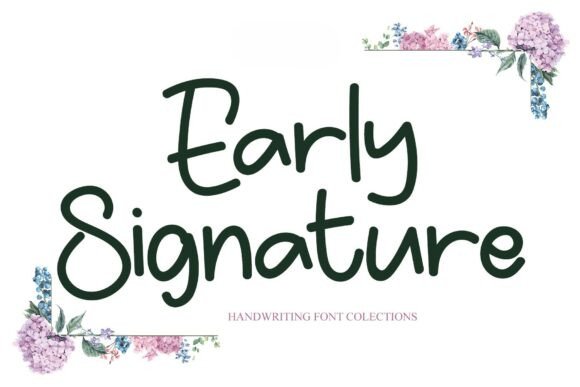
Early Signature is a modern display font designed for high visibility and emotional resonance. Its quirky curves and confident structure make it ideal for headlines, logos, posters, and social media graphics. Unlike body fonts that prioritize readability over style, Early Signature leans into personality—making it best suited for short bursts of text where visual impact is key.
From a design workflow perspective, Early Signature slots into the visual hierarchy planning stage. It's often used after establishing brand colors and imagery but before final layout execution. This allows designers to test how the font interacts with other visual elements, ensuring it supports the overall tone and message of the project.
Using Early Signature at Different Stages of a Project
One of the strengths of Early Signature is its flexibility across the creative timeline. Here's how it can be integrated effectively at various stages:
Before the Project Begins
During the concept phase, Early Signature can be used in mood boards or style guides to communicate the intended tone. It helps stakeholders visualize the energy of the final product, especially when designing for youth-oriented brands, lifestyle products, or energetic campaigns.
During the Creative Process
In the design phase, Early Signature shines in headline treatments, logo variations, and call-to-action buttons. It works well with both digital and print formats, and its strong character set allows for creative spacing and layout experimentation. Designers can pair it with simpler sans-serif fonts for contrast, ensuring readability while maintaining a modern aesthetic.
After Finalization
Once a project is complete, Early Signature can be part of a brand’s visual identity toolkit. Including it in asset libraries and design systems ensures consistent use across teams and future projects. This is especially important for marketing departments and agencies that maintain long-term brand guidelines.
How Early Signature Integrates with Other Tools and Platforms
Early Signature is not a standalone asset—it's most effective when used in conjunction with other design tools and platforms. Here's how it interacts with common creative workflows:
- Adobe Creative Suite: Easily imported into Photoshop, Illustrator, and InDesign, Early Signature works well for both vector and raster-based design projects.
- Figma and Sketch: As a modern display font, it integrates smoothly into UI/UX design workflows, particularly for app headlines, splash screens, or promotional banners.
- Canva and Web Design Builders: For non-designers and marketers, Early Signature can be uploaded and used in drag-and-drop editors to create professional-looking social media posts, landing pages, and presentations.
- Brand Guidelines: When building or updating brand kits, Early Signature should be included with usage notes—such as recommended font sizes, spacing, and pairing suggestions—to ensure consistent application across all materials.
Practical Implementation Tips for Using Early Signature
While Early Signature brings visual energy, it also requires thoughtful implementation to maintain clarity and professionalism. Here are some practical tips to make the most of it:
- Use it sparingly: Because of its bold nature, Early Signature is best used for short text like headlines, titles, and logos. Avoid using it for long-form content or body copy.
- Pair with neutral fonts: Balance the playful nature of Early Signature by pairing it with clean, minimalist fonts like Helvetica, Futura, or Roboto. This ensures legibility and visual harmony.
- Test across devices: Always preview how Early Signature looks on different screen sizes and resolutions. Some of its finer details may not render clearly on low-resolution displays.
- Check licensing: Ensure that the version of Early Signature you're using is licensed for your intended use—especially if it's going into commercial or web-based applications.
- Establish usage rules: If you're part of a team or agency, create internal guidelines for when and how to use Early Signature. This includes font size minimums, spacing recommendations, and acceptable color contrasts.
Workflow Examples Featuring Early Signature
Let’s look at a few real-world scenarios where Early Signature plays a key role in the creative process:
- Branding a New Product Line: A fashion brand launching a streetwear collection uses Early Signature in the logo and packaging design to reflect the brand’s youthful, energetic identity.
- Magazine Cover Design: A lifestyle magazine chooses Early Signature for the main headline to grab attention on newsstands and digital platforms, pairing it with a clean serif font for subheadings.
- Social Media Campaign: A marketing team uses Early Signature in Instagram Stories and promotional banners to create a consistent and eye-catching visual theme across their campaign.
Long-Term Use and Maintenance
Like any design asset, Early Signature should be reviewed periodically to ensure it continues to align with brand goals and audience expectations. Trends in typography evolve, and while Early Signature has a timeless modernity, it's important to assess its relevance as part of broader brand audits.
Additionally, maintaining organized font libraries and ensuring all team members have access to the correct file formats helps prevent inconsistencies. Consider including Early Signature in cloud-based asset management tools so it remains accessible and up-to-date across all devices and platforms.
Making Early Signature Work for You
Ultimately, Early Signature is more than a font—it's a tool that supports creative intention and visual storytelling. Whether you're a solo creator or part of a larger design team, integrating it into your workflow with purpose and consistency will help you achieve both aesthetic appeal and functional clarity.
By understanding where and how to use Early Signature, you can streamline your design process, enhance brand recognition, and deliver work that stands out—without compromising usability or professionalism.