Exploring Tangler: The Unique Geometric Display Font That Bridges Vintage and Modern Design
In the ever-evolving world of typography, fonts are more than just letters on a screen — they are visual storytellers. Among the many typefaces that have emerged to capture attention and evoke emotion, Tangler stands out as a bold, geometric display font made entirely from straight lines that twist into structured, intentional forms. With a subtle nod to vintage signage and a strong presence in modern design, Tangler is both a nostalgic and forward-looking choice for creative professionals and enthusiasts alike.
What Is Tangler?
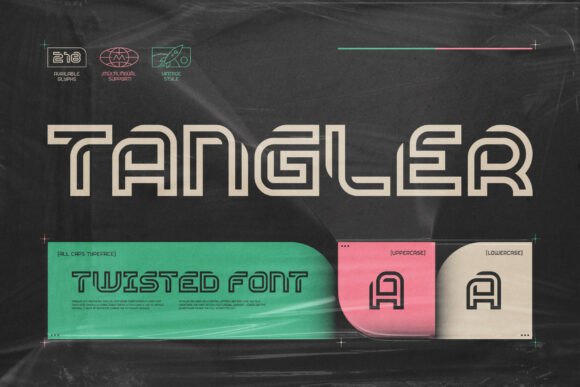
Tangler is a geometric display font characterized by its use of straight lines that twist and turn to form each letter. Unlike traditional serif or sans-serif fonts, Tangler embraces a structured yet dynamic approach to lettering. Each character is built with precision, giving the font a mechanical yet organic feel. Its design is reminiscent of old-school signage, where hand-crafted metal or neon lettering was used to create eye-catching visuals.
Despite its vintage-inspired aesthetic, Tangler is very much a product of modern design sensibilities. It’s often used in digital environments, branding, and print media where a strong visual impact is desired. The font works especially well in headlines, logos, posters, and other display applications where readability at a distance isn't a concern but visual appeal is crucial.
The Design Philosophy Behind Tangler
The beauty of Tangler lies in its simplicity and structure. The font is constructed entirely from straight lines, yet it manages to convey a sense of movement and depth. This paradox is what makes it so intriguing to designers and typographers. Each letter is carefully engineered to maintain balance and symmetry while also introducing a slight sense of tension through its angular and intersecting lines.
Designers who use Tangler often cite its ability to evoke a sense of nostalgia without feeling outdated. The font subtly references the hand-crafted signage of the mid-20th century, a time when typography was often custom-built for businesses, theaters, and storefronts. However, Tangler modernizes this concept by using clean lines and consistent spacing, making it suitable for contemporary digital and print applications.
Why Tangler Works in Modern Design
In today’s design landscape, where minimalism and clarity are often celebrated, Tangler offers a refreshing contrast. It brings character and personality to a design without overwhelming it. Here are a few reasons why Tangler is a valuable asset in modern design:
- Visual Impact: Tangler’s angular and geometric nature makes it stand out in headlines and branding materials.
- Versatility: While it’s ideal for retro-themed projects, it can also be used in more contemporary contexts when paired with simpler fonts.
- Uniqueness: In a sea of similar sans-serif fonts, Tangler provides a distinctive alternative that captures attention.
Practical Applications of Tangler
Tangler’s design makes it particularly well-suited for specific applications where visual interest and brand identity are key. Here are some common use cases:
- Branding and Logos: Tangler adds a touch of personality to brand identities, especially for companies that want to convey creativity, craftsmanship, or a vintage vibe.
- Poster and Print Design: Its bold and structured appearance makes it ideal for posters, album covers, and event flyers.
- Web Design: While not typically used for body text, Tangler can be effectively used in headers, banners, and call-to-action buttons to create visual hierarchy.
- Editorial Design: In magazines or online publications, Tangler can be used sparingly to highlight titles or special features.
Example Use Case: A Retro-Themed Café Branding
Imagine a new coffee shop that wants to evoke the charm of 1950s diners. Using Tangler in the logo and signage would instantly communicate that retro aesthetic. Paired with warm colors and hand-drawn illustrations, the font would help create a cohesive and inviting brand experience. Customers would associate the visual style with nostalgia, comfort, and authenticity — all without the design feeling outdated or forced.
Common Misconceptions About Tangler
Despite its growing popularity, there are a few common misconceptions about Tangler that are worth addressing:
- Misconception 1: Tangler is only for retro designs.
Reality: While Tangler has a vintage flair, it can be adapted to modern designs with the right color palette, layout, and supporting typography. - Misconception 2: It’s difficult to read.
Reality: Tangler is designed for display use, so it’s not meant for long blocks of text. However, at appropriate sizes and in the right context, it’s perfectly legible. - Misconception 3: It’s just another geometric font.
Reality: Tangler’s unique construction and subtle vintage references set it apart from other geometric fonts that lack character or historical context.
How Tangler Fits Into the Broader Design Landscape
Typography is a powerful tool in communication, and Tangler exemplifies how fonts can carry both aesthetic and emotional weight. In a digital age where design trends shift rapidly, Tangler represents a growing movement toward fonts that are not only visually appealing but also tell a story or evoke a memory.
As more designers seek to create unique and memorable visual identities, fonts like Tangler offer a way to stand out from the crowd. They provide a sense of craftsmanship and intentionality that resonates with audiences, whether in branding, advertising, or editorial design.
Tangler and the Future of Typography
Looking ahead, we can expect to see more fonts that blend traditional craftsmanship with modern design principles. Tangler is part of this trend, offering a bridge between the past and the future of typography. As design software becomes more advanced and accessible, we may also see more variations and customizations of Tangler, allowing designers to tailor its look and feel to specific projects.
Conclusion: Why Tangler Matters in Design Today
In summary, Tangler is more than just a stylish font — it’s a design tool that bridges the gap between vintage charm and modern functionality. Its geometric construction, subtle nod to retro signage, and versatility make it a favorite among designers looking to add character and visual interest to their work. Whether used in branding, print, or digital media, Tangler offers a unique voice that can elevate any design project.
For both beginners and seasoned professionals, understanding the role of fonts like Tangler is essential in mastering the art of visual communication. By choosing the right typeface, designers can shape how audiences perceive a message, making typography an integral part of the creative process.