Exploring the Bold Aesthetic of Echo Pop: A Retro-Inspired Display Font for Modern Design
The Visual Language of Echo Pop
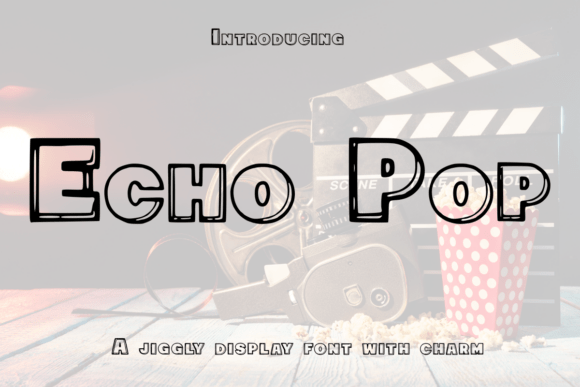
Echo Pop stands out as a distinctive typeface rooted in the visual culture of the 1980s. Its design draws from pop art and vintage comic books, blending exaggerated outlines with layered visual effects. This creates a typographic experience that feels both nostalgic and contemporary. The font’s bold contours and high-contrast strokes give it a dominant presence, making it ideal for design scenarios where visibility and impact are key.
At its core, Echo Pop is not just about aesthetics—it’s about storytelling through typography. Each letterform carries a sense of movement and energy, reminiscent of album covers, arcade signs, and Saturday morning cartoons. This expressive quality makes it a powerful tool for designers looking to inject personality into their work without relying solely on imagery or illustration.
Why Echo Pop Works Across Media
One of the most compelling features of Echo Pop is its adaptability across both digital and print environments. Whether used in a high-resolution print project or a dynamic digital layout, the font maintains its clarity and visual punch. This versatility is especially valuable for creatives who need a consistent brand identity across multiple platforms.
- Product Packaging: The boldness of Echo Pop ensures that product labels and packaging designs stand out on crowded shelves.
- YouTube Thumbnails: In the fast-paced world of online video, thumbnails need to grab attention instantly—Echo Pop delivers that visual pop.
- T-Shirt Designs: Its retro charm makes it a favorite for apparel, particularly in streetwear and band merchandise.
- Editorial Layouts: From magazine covers to infographic headers, Echo Pop adds a playful yet professional edge.
Designers often choose Echo Pop not just for its style, but for how it enhances the emotional tone of a project. It evokes a sense of fun and nostalgia while remaining modern enough to feel fresh in current design trends.
Practical Considerations When Using Echo Pop
While Echo Pop is visually striking, it’s important to use it thoughtfully. Due to its bold and stylized nature, it's best suited for short-form text such as headlines, titles, and call-out text rather than body copy. Overuse can lead to visual fatigue or compromise readability, especially in smaller sizes or complex layouts.
Designers should also consider pairing Echo Pop with more neutral fonts to create visual balance. For instance, using it for a headline and complementing it with a clean sans-serif for body text helps maintain hierarchy and readability.
Another consideration is licensing. Depending on the intended use—whether commercial, personal, or web-based—it’s important to ensure that the font license aligns with the project’s requirements. Many retro-style fonts come with usage restrictions, so checking the terms before implementation is crucial.
Designing with Echo Pop: Real-World Examples
Let’s look at a few real-world applications where Echo Pop shines:
- Music Festival Posters: A festival poster needs to capture energy and excitement. Echo Pop’s comic-inspired design fits perfectly in this context, especially when paired with neon color schemes.
- Branded Merchandise: Brands that want to evoke a retro vibe in their swag—like mugs, stickers, or tote bags—often turn to Echo Pop for its distinctive look.
- Mobile App UI Elements: Used sparingly in buttons or splash screens, Echo Pop can give a mobile interface a fun, youthful aesthetic.
These examples illustrate how Echo Pop can be integrated into a variety of design workflows without feeling out of place. It bridges the gap between vintage inspiration and modern application, offering a timeless appeal that resonates with diverse audiences.
Echo Pop and the Evolution of Retro Typography
The resurgence of retro design in the digital age has led to a renewed interest in stylized typefaces like Echo Pop. As audiences grow more nostalgic for the aesthetics of past decades, designers are increasingly incorporating vintage-inspired elements into their work. This trend is especially visible in branding, advertising, and entertainment media.
Echo Pop exemplifies how modern typography can reinterpret historical styles without being purely derivative. It retains the essence of 1980s pop culture while offering the flexibility and scalability needed for today’s design tools and platforms. This balance between old and new is what makes Echo Pop not just a passing trend, but a lasting asset in a designer’s toolkit.
Moreover, the layered effects and outline styles of Echo Pop reflect broader trends in design software. Tools like Adobe Illustrator and Figma now make it easier than ever to manipulate and customize fonts, allowing designers to tweak stroke widths, add shadows, or blend colors seamlessly with the font’s existing structure.
Who Should Use Echo Pop?
Echo Pop appeals to a wide range of users:
- Graphic Designers: Especially those working in branding, advertising, and editorial design.
- Content Creators: YouTubers, podcasters, and social media managers who want eye-catching thumbnails and promotional materials.
- Merchandise Designers: For creating standout apparel, stickers, and accessories.
- Educators and Students: Useful in classroom materials or presentations where visual engagement is key.
Its accessibility and expressive nature make it a go-to font for both seasoned professionals and newcomers exploring the world of typography.
Final Thoughts on Echo Pop
Echo Pop isn’t just another retro font—it’s a celebration of visual storytelling through bold, expressive design. Whether you're crafting a vintage-inspired logo or designing a dynamic digital banner, this font brings a level of energy and character that few other typefaces can match. Its ability to evoke a sense of time while remaining relevant in modern contexts is a testament to thoughtful design and cultural resonance.
As with any design element, the key to using Echo Pop effectively lies in balance and intention. When applied with purpose and creativity, it becomes more than just a font—it becomes a visual voice that speaks directly to the viewer’s sense of nostalgia, energy, and playfulness.