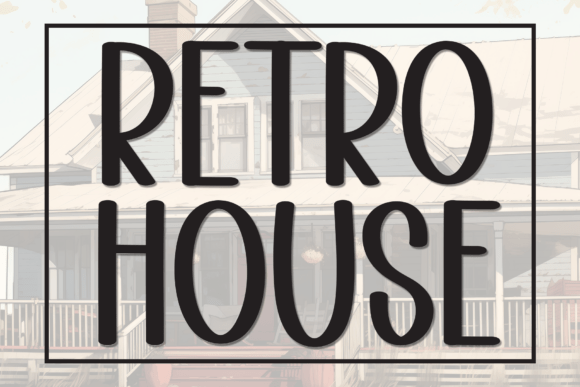
How Retro House Font Captures Warmth and Clarity in Modern Design
In a digital landscape where sleek minimalism often dominates, there's a growing appreciation for design elements that feel personal, authentic, and emotionally resonant. Enter Retro House, a casual and neat display font that effortlessly bridges the gap between modern readability and nostalgic charm. With its clean structure and approachable style, Retro House has become a go-to choice for professionals, creators, and marketers who want to infuse warmth into their visual messaging without sacrificing clarity.
What Is Retro House?
Retro House is not just another decorative typeface. It’s a carefully crafted display font designed to stand out while maintaining a sense of balance and readability. Its letterforms are intentionally structured to feel both familiar and fresh, drawing inspiration from mid-century design aesthetics while staying relevant in today’s design ecosystem. Whether used in branding, editorial layouts, or digital interfaces, Retro House brings a sense of personality that resonates with audiences on a more human level.
Unlike many overly stylized fonts that sacrifice legibility for flair, Retro House maintains a clean and open structure. This makes it particularly effective in environments where visual clarity is essential, such as headlines, logos, and short-form text. Its versatility allows it to perform well across both print and digital media, adapting easily to different contexts and screen sizes.
Design Trends and the Rise of Human-Centric Typography
In recent years, the design world has seen a shift toward more emotionally engaging and user-centered approaches. This evolution is evident in the resurgence of retro-inspired aesthetics, hand-drawn illustrations, and warm color palettes. Typography, as a core component of visual identity, plays a crucial role in this movement. Fonts like Retro House are gaining traction because they reflect a broader desire for authenticity and connection in an increasingly digital world.
As brands seek to differentiate themselves in a crowded marketplace, the choice of typography has become more strategic. Consumers are drawn to brands that feel genuine and relatable. Retro House, with its approachable style and nostalgic undertones, helps brands communicate warmth and sincerity. This aligns with a growing trend in marketing and branding that emphasizes storytelling, emotional engagement, and community-building.
Why Retro House Stands Out in a Crowded Font Landscape
With thousands of fonts available online, what makes Retro House worth noticing? The answer lies in its unique ability to balance casual charm with professional polish. Many display fonts either lean too heavily into their stylistic quirks or lack the character needed to stand out. Retro House strikes a middle ground — it’s expressive enough to capture attention but restrained enough to maintain readability and professionalism.
This balance is especially valuable in industries where tone and personality matter. For example, lifestyle brands, creative agencies, and independent retailers often use Retro House to communicate a sense of craftsmanship and approachability. It’s also a favorite among content creators and freelancers who want to add a personal touch to their portfolios, social media graphics, and promotional materials.
Meeting the Evolving Needs of Designers and Brands
Today’s designers and marketers are working in an environment that demands both speed and creativity. With the rise of digital platforms and content-driven strategies, the need for adaptable and visually appealing assets has never been greater. Fonts like Retro House are well-suited to this reality because they offer immediate visual appeal without requiring extensive customization.
Moreover, as remote work and digital collaboration become the norm, communication materials — from presentations to newsletters — need to feel both professional and personable. Retro House supports this dual need by adding a touch of warmth to otherwise standard templates. Whether it’s used in a slide deck header or a social media post, it helps break the monotony of overly formal design elements.
Practical Applications Across Industries
The appeal of Retro House spans multiple industries and use cases. Here are a few examples of how it’s being used effectively in real-world contexts:
- Brand Identity: Startups and boutique brands often use Retro House in their logos and brand assets to convey a sense of friendliness and originality. Its nostalgic vibe aligns well with brands that want to evoke a sense of tradition or craftsmanship.
- Editorial Design: In magazines and newsletters, Retro House adds visual interest to headlines and pull quotes without distracting from the main content. Its clarity ensures it remains legible even at smaller sizes.
- Digital Marketing: Social media designers use Retro House to create eye-catching graphics that feel less corporate and more personal. It works especially well in quote-based posts, event announcements, and product launches.
- Print Media: From packaging to posters, Retro House brings a vintage charm that feels both timeless and contemporary. It’s particularly effective in designs that aim to evoke a sense of nostalgia or local authenticity.
Connecting Retro House to Larger Design Movements
Retro House isn’t just a standalone trend — it reflects broader shifts in how we approach design and communication. As consumers become more discerning and digitally savvy, they respond more positively to brands that prioritize authenticity and emotional connection. This has led to a reevaluation of design principles, with a stronger emphasis on human-centered experiences.
Additionally, the rise of hybrid work environments and digital-first strategies has increased the demand for design assets that are both versatile and expressive. Retro House fits perfectly into this context by offering a blend of functionality and personality. It supports the growing need for tools that help professionals and creatives stand out without compromising on usability or professionalism.
Looking ahead, the continued popularity of Retro House suggests that audiences are craving design elements that feel intentional, thoughtful, and emotionally engaging. As technology continues to evolve, the need for human-centric design will only grow stronger. Fonts like Retro House serve as a reminder that even in a digital age, warmth and clarity still matter.
Final Thoughts
Retro House is more than just a font — it’s a reflection of a broader cultural shift toward authenticity, emotional resonance, and thoughtful design. In a world where attention spans are short and visual noise is constant, Retro House offers a refreshing alternative that’s both approachable and impactful. Whether you're a marketer crafting a campaign, a designer building a brand identity, or a creator curating your digital presence, Retro House provides a versatile and expressive tool to elevate your work.
As creative professionals continue to seek out tools that align with evolving consumer expectations and industry trends, Retro House stands out as a font that not only looks good but also communicates values that resonate deeply with today’s audiences. Its enduring appeal lies in its ability to blend the past and the present into something that feels both familiar and forward-looking.