Bold Phobia: A Playful Display Font for Modern Design Projects
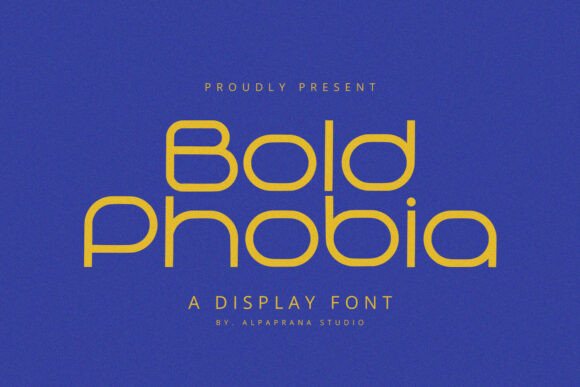
Bold Phobia isn’t your average typeface. It’s a display font with a distinctive personality—modern, slightly quirky, and full of visual charm. Whether you're designing a product label, a t-shirt graphic, or a social media post, this font adds a layer of character that’s hard to ignore. Its bold, expressive shapes and slightly irregular edges give it a handmade, approachable feel, while maintaining enough structure to remain legible in the right contexts.
Unlike traditional serif or sans serif fonts that aim for neutrality, Bold Phobia leans into its imperfections. The font’s slightly uneven baseline and exaggerated curves make it feel spontaneous, like a handwritten mark made with confidence. It’s not meant for long paragraphs or body text—instead, it thrives in short bursts of attention-grabbing copy. Think headlines, subheadings, logos, and visual accents where visual impact matters more than subtlety.
Where Bold Phobia Shines in Design
Because of its bold presence and playful tone, Bold Phobia works best in environments where visual energy is key. Packaging design is one area where this font truly stands out. Imagine a craft beer label or a boutique coffee bag featuring Bold Phobia as the main brand name—it immediately conveys a sense of personality and modern craftsmanship.
Poster design and event branding are other ideal applications. Whether you're promoting a local concert, a pop-up shop, or a food festival, this font helps set the tone before anyone reads the details. Its modern yet approachable style also makes it a smart choice for t-shirt graphics, tote bags, and lifestyle brand merch. It’s versatile enough to feel at home in both digital and print formats, from web banners to editorial spreads.
For digital creators and marketers, Bold Phobia can elevate social media visuals and promotional graphics. Used in moderation, it adds a touch of creative flair that helps content stand out in a crowded feed. Just be mindful of readability—this font works best at larger sizes and with plenty of white space to let its personality breathe.
How Font Choice Impacts Design and Branding
Typography isn’t just about aesthetics—it plays a crucial role in how your audience perceives your brand. Bold Phobia brings a sense of fun and modernity to any project, but that tone needs to match your brand’s overall identity. If you're aiming for a polished, corporate feel, this font might clash. However, if your brand leans toward casual, creative, or community-driven, it could be a perfect fit.
From a readability standpoint, display fonts like Bold Phobia should be used strategically. They’re not ideal for long blocks of text, but they excel in headlines and visual accents. When used correctly, they can enhance visual hierarchy and guide the viewer’s eye through your design. Pairing Bold Phobia with a clean, simple font for supporting text helps maintain balance and clarity.
Consistency is also important. If you’re using this font across multiple platforms—like a website, packaging, and social media—make sure it appears in a similar style and weight each time. This reinforces brand recognition and helps build a cohesive visual identity over time.
Choosing and Using Bold Phobia in Your Projects
Before diving into a design using Bold Phobia, take a moment to evaluate your project’s needs. Ask yourself: does the tone of this font match the message I want to convey? Will it be used in a way that maintains readability and visual balance? These questions help ensure you’re making a thoughtful, rather than just an aesthetic, decision.
Font pairing is another key consideration. Since Bold Phobia is bold and stylized, it pairs best with simpler, more neutral typefaces. Try combining it with a clean sans serif like Montserrat or a minimalist serif like Playfair Display. This contrast helps the design feel intentional and balanced rather than chaotic.
Also, take time to review the full character set and available styles. Some display fonts come with limited character support or only one weight, which can limit their flexibility. Make sure Bold Phobia includes all the necessary glyphs, punctuation, and special characters for your intended use, especially if you're designing for international audiences or need extended language support.
When working with any commercial font, licensing is an important detail that’s often overlooked. Confirm that you have the appropriate license for your intended use—whether it's for personal, editorial, or commercial projects. Some fonts restrict use in certain contexts, so it’s better to double-check before finalizing your design.
Real-World Applications and Design Tips
One practical example of Bold Phobia in action is in book cover design. A self-published author creating a contemporary romance or lifestyle memoir might choose this font for the title treatment. It adds a modern, slightly whimsical touch that appeals to younger audiences while maintaining enough visual clarity to stand out on a digital storefront.
Another effective use is in event photography overlays. Wedding photographers, for instance, might use Bold Phobia to add stylized captions or location tags to their images. The font’s organic feel complements the emotional, candid nature of event photography without overpowering the visuals.
When designing with Bold Phobia, keep these tips in mind:
- Use it at larger sizes to maintain legibility and visual impact.
- Pair it with neutral fonts to create balance and hierarchy.
- Limit its use to headlines and accents, not body text.
- Check spacing and kerning manually—display fonts often require fine-tuning for optimal appearance.
- Test in different formats (print, screen, color variations) to ensure consistency.
Ultimately, Bold Phobia is more than just a font—it's a design asset that brings energy, modernity, and a touch of personality to the right kind of project. Whether you're a designer, marketer, or small business owner, using it thoughtfully can elevate your visual communication and help your brand stand out in meaningful ways.