Bolyfat: A Versatile Display Font for Creative Design Projects
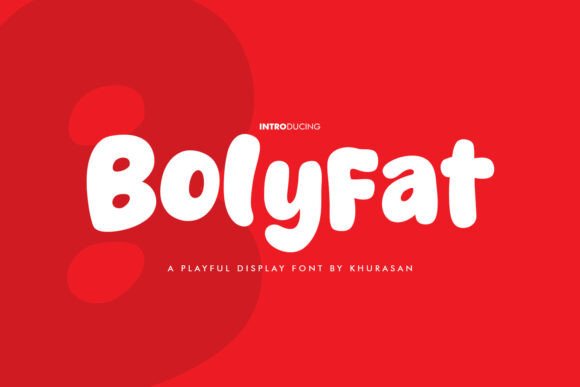
Bolyfat is a modern, aesthetically pleasing display font designed to add charm and clarity to a wide range of visual projects. With its clean lines and soft curves, it strikes a balance between playfulness and professionalism, making it a popular choice for designers working on posters, logos, book covers, and more. Unlike many decorative fonts that sacrifice readability for style, Bolyfat maintains legibility while offering a distinctive visual appeal.
What Sets Bolyfat Apart from Other Display Fonts
At first glance, Bolyfat’s rounded edges and slightly condensed structure give it a friendly, approachable feel. This design helps it stand out in contexts where both personality and clarity are important. Compared to more angular or rigid display fonts, Bolyfat offers a softer alternative that works well in both digital and print media. Its character spacing and weight distribution are optimized for visual balance, which contributes to its readability at larger sizes.
One of the key features of Bolyfat is its adaptability. While many display fonts are limited to specific themes or aesthetics, Bolyfat blends well with a variety of design styles. Whether used in minimalist branding or vibrant editorial layouts, it retains its visual integrity without overpowering other design elements.
Comparing Bolyfat to Similar Font Styles
When evaluating display fonts, designers often consider a few core attributes: legibility, versatility, and aesthetic fit. Bolyfat sits comfortably between highly stylized script fonts and more rigid sans-serif options. It shares some visual characteristics with rounded sans-serif fonts but offers a more distinctive personality, making it ideal for projects that require a touch of individuality without compromising readability.
- Script fonts: These often offer elegance but can be difficult to read in larger blocks of text. Bolyfat avoids this issue by maintaining a clear, structured design.
- Geometric sans-serif fonts: While modern and clean, they can sometimes feel too clinical or impersonal. Bolyfat introduces warmth and approachability without losing its professional edge.
- Handwritten fonts: These are great for personal or artistic projects but may not suit formal branding. Bolyfat bridges the gap by offering a curated, stylized look that remains appropriate across a broader range of applications.
Strengths and Limitations of Bolyfat
Bolyfat excels in environments where visual appeal and readability must coexist. Its strengths include:
- High legibility at large sizes
- Consistent spacing and character balance
- Ability to complement both modern and retro design aesthetics
However, like any font, Bolyfat has limitations. It is primarily designed for display use, meaning it may not be the best choice for long-form body text or small-size applications. Additionally, while its rounded structure contributes to its charm, it may not be suitable for projects requiring a more formal or严肃 tone.
When Bolyfat Is the Right Choice
Designers working on branding, packaging, or promotional materials often look for fonts that convey personality without sacrificing professionalism. Bolyfat fits this need well, especially in industries like lifestyle, wellness, children’s products, and creative services. For example, a boutique coffee shop might use Bolyfat in its logo to communicate warmth and friendliness, while a children’s book cover could benefit from its clean yet playful appearance.
It also performs well in digital environments, particularly in web banners, app interfaces, and social media graphics. Its structured yet approachable design ensures that messages remain visually engaging without being distracting.
When to Consider Alternatives
Despite its versatility, there are scenarios where other font choices may be more appropriate. For instance, technical documents, academic publications, or legal materials typically require fonts with a more formal structure. In such cases, serif fonts or more neutral sans-serif options might be better suited to the context.
Similarly, if a project calls for a highly stylized or thematic appearance—such as vintage typography or bold graffiti-style lettering—Bolyfat’s balanced design might not provide the desired impact. Designers should always consider the broader visual language of a project before selecting a font.
Practical Examples and Use Cases
Consider a small business launching a new line of organic skincare products. The brand wants to convey a sense of purity, simplicity, and warmth. Bolyfat could be used effectively in product packaging and marketing materials to create a clean, approachable look that resonates with health-conscious consumers.
In contrast, a law firm redesigning its website might opt for a more traditional serif font to reinforce authority and trustworthiness. While Bolyfat brings a modern touch, it may not align with the firm’s need for a more conservative visual tone.
Final Thoughts on Choosing Bolyfat
Selecting the right font is a critical part of the design process, and Bolyfat offers a compelling combination of style and functionality. Its ability to blend into diverse design contexts while still making a visual statement makes it a valuable addition to any designer’s toolkit. However, like all creative tools, it works best when chosen with intention and in alignment with the project’s overall goals.
For those exploring font options, Bolyfat provides a strong middle ground between decorative and functional typography. It’s worth testing in various applications to see how it interacts with other design elements and how it supports the intended message. By considering both its strengths and limitations, designers can make informed decisions that enhance their creative output without compromising clarity or impact.