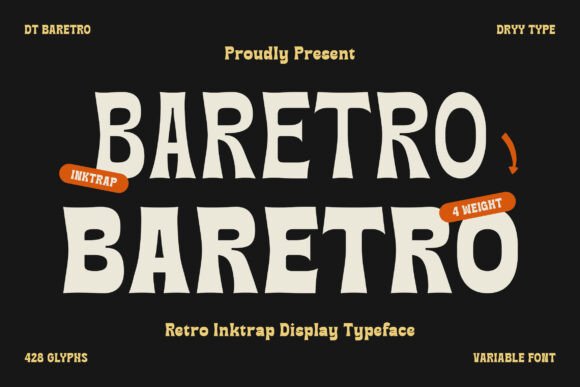
Baretro: A Retro-Themed Font for Creative and Practical Design Workflows
Design is more than aesthetics—it's about communication, clarity, and connection. When you're working on a project that needs a touch of nostalgia, a dash of fun, or a clear retro identity, Baretro becomes a valuable tool in your creative process. This retro-themed font was designed to bring a cheerful and vintage-inspired feel to your work while maintaining versatility for a wide range of applications.
Understanding Baretro in the Design Workflow
At its core, Baretro is a display font that draws inspiration from mid-century design elements. It's ideal for branding, packaging, posters, digital illustrations, and more. Whether you're a designer, marketer, educator, or entrepreneur, Baretro can serve as a visual anchor in your project, helping you convey a specific mood or message with minimal effort.
Integrating Baretro into your workflow begins with understanding where it fits best. While it's not ideal for long-form body text due to its decorative nature, it shines in headlines, logos, product labels, and UI elements where visual impact is key. It works well during the creative ideation phase and continues to support your project through final execution.
Using Baretro at Different Stages of a Project
Let’s break down how Baretro can be used across various stages of a typical design or creative project:
- Pre-Production: During the planning and moodboarding phase, Baretro can help you visualize the tone of your project. If you're aiming for a retro aesthetic, including Baretro samples in your concept decks can help stakeholders or clients understand the visual direction.
- Design Phase: As you move into mockups and drafts, Baretro becomes a key element in branding or promotional materials. Whether it's a logo for a new product line or a vintage-style event poster, the font adds a distinct personality that's both recognizable and engaging.
- Final Output: Once the design is ready for delivery, Baretro can be exported and embedded into digital assets or printed materials. Ensure that licensing is appropriate for your use case, especially if you're distributing the font as part of a downloadable or commercial product.
Compatibility and Integration with Other Tools
One of the strengths of Baretro lies in its compatibility with major design platforms. Whether you're using Adobe Creative Suite, Figma, Canva, or even web development tools like CSS, Baretro integrates smoothly. It supports a wide range of file formats and character sets, making it suitable for both print and digital environments.
When combining Baretro with other fonts or design assets, it's best used as a headline or accent font. Pairing it with a clean sans-serif or a minimalist serif can create a balanced visual hierarchy. For example, using Baretro for a title and a modern font like Montserrat or Lato for subheadings and body text ensures readability while maintaining stylistic contrast.
Practical Implementation Tips
Here are some practical suggestions to help you use Baretro effectively in your workflow:
- Test in Context: Before finalizing your design, test Baretro in the actual context where it will be viewed. This includes checking how it looks on mobile screens, printed materials, or at different sizes.
- Limit Usage for Impact: Because of its bold personality, Baretro works best when used sparingly. Too much of it can overwhelm the design and reduce its effectiveness.
- Ensure Accessibility: When used in digital design, ensure sufficient contrast between Baretro text and background colors. This is especially important for users with visual impairments.
- Use Kerning and Spacing: Adjust letter spacing and kerning to enhance readability, especially in larger titles or logo designs.
Long-Term Use and Quality Considerations
As with any design asset, consistency and quality are essential when using Baretro over time. If you're working on a brand or a recurring project, maintain a consistent application of the font across all materials. Store your preferred settings, such as color palettes, spacing values, and usage guidelines, in a shared document or style guide to ensure uniformity across your team or future work.
Additionally, always keep a backup of the font file and licensing information. This helps in maintaining legal compliance and ensures you can access the font for future edits or updates to your project.
Real-World Applications of Baretro
Let’s look at a few real-world scenarios where Baretro can make a difference:
- Marketing Campaigns: A retro-themed product launch or a vintage-inspired ad campaign benefits from Baretro’s nostalgic charm. It can help evoke a sense of familiarity and warmth in the viewer.
- Content Creation: Bloggers and YouTubers who focus on retro culture, design, or lifestyle content can use Baretro in thumbnails, banners, and promotional graphics to reinforce their brand identity.
- Educational Materials: Educators creating engaging presentations or infographics can use Baretro to highlight key points or themes in a visually appealing way.
- Small Business Branding: Independent retailers, cafes, or boutique stores can incorporate Baretro into logos, packaging, and signage to create a distinctive and memorable brand presence.
Final Thoughts on Integrating Baretro
Incorporating Baretro into your creative process is more than just a design choice—it's a strategic decision that can influence how your message is received. Its versatility allows it to fit into various workflows without requiring a steep learning curve. Whether you're a seasoned designer or someone just starting out, Baretro offers a way to elevate your work with a touch of retro flair.
By understanding where and how to use Baretro effectively, you can ensure that your designs stand out while maintaining clarity and professionalism. It's not just about looking good—it's about making your message memorable and your process more enjoyable.
If you're looking for a font that brings both function and fun to your creative toolkit, Baretro might just be the perfect fit.