Zhyengki: A Bold Typeface for Edgy, Urban Design Projects
What Is Zhyengki?
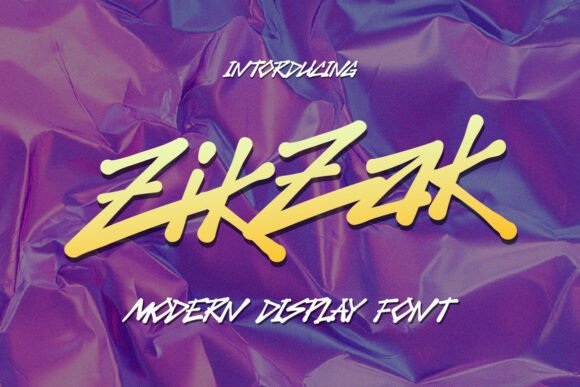
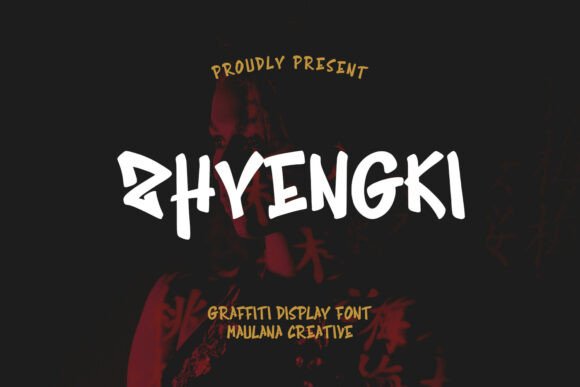
Zhyengki is a graffiti-inspired display font designed to capture the raw energy and authenticity of street art. Its hand-drawn aesthetic and dynamic strokes reflect the spirit of urban tagging, making it a popular choice for designers seeking to convey attitude and individuality. Unlike traditional fonts that prioritize uniformity and readability, Zhyengki embraces imperfection, giving each letter a distinctive, expressive character.
Who Might Benefit from Using Zhyengki?
Designers working on youth-oriented branding, music-related visuals, or alternative fashion projects often find Zhyengki to be a compelling typographic choice. It resonates particularly well with creative professionals aiming to reflect rebellion, authenticity, or urban culture in their work. Whether for album covers, skate brand logos, or event posters, Zhyengki can help establish a strong visual identity rooted in streetwise aesthetics.
Key Benefits of Zhyengki
- Expressive Typography: Each letterform in Zhyengki is crafted by hand, giving the font a unique, artistic quality that stands out from digitally generated typefaces.
- Strong Visual Impact: The bold, angular strokes make Zhyengki ideal for headlines, logos, and other attention-grabbing design elements.
- Streetwise Authenticity: Its graffiti roots lend credibility and cultural relevance to projects that aim to connect with urban or youth audiences.
Potential Tradeoffs and Considerations
While Zhyengki offers a strong visual presence, it may not be suitable for every design context. Its stylized nature can limit readability in longer text passages, making it best suited for titles, headers, or short bursts of text rather than body copy. Additionally, because of its distinct personality, Zhyengki may not align with more formal or minimalist design directions.
When Zhyengki Is a Strong Fit
Zhyengki shines in design environments where attitude and visual impact are prioritized over subtlety. It works especially well in the following scenarios:
- Urban and Streetwear Branding: For brands rooted in skate, street, or sneaker culture, Zhyengki can reinforce a bold, rebellious identity.
- Musical and Entertainment Media: Hip-hop album art, concert posters, and music video titles can benefit from its energetic presence.
- Youth Campaigns and Activewear: Marketing materials targeting younger audiences often gain visual appeal from Zhyengki’s expressive design.
When Alternatives May Be Worth Considering
While Zhyengki offers a unique design language, there are situations where alternative fonts may better serve a project’s goals. For instance, if legibility at smaller sizes is crucial, or if the design needs to maintain a cleaner, more versatile appearance, designers may want to explore:
- More Readable Display Fonts: Options that maintain visual flair while offering better clarity in varied sizes and formats.
- Minimalist or Modern Sans-Serif Fonts: For projects that require a contemporary but less aggressive tone.
- Custom Typography: When a unique brand voice is essential, commissioning a custom font may provide a more tailored solution.
Practical Insights for Choosing Zhyengki
Before integrating Zhyengki into a design project, consider the following factors to ensure it aligns with your goals:
- Target Audience: Does your audience connect with urban culture or edgy aesthetics? If so, Zhyengki could resonate strongly with them.
- Usage Context: Will the font be used for headlines, logos, or short-form content? Zhyengki performs best in these applications.
- Brand Identity: Assess whether Zhyengki supports the personality and tone of your brand or project.
- Visual Compatibility: Test Zhyengki alongside other design elements to ensure it complements rather than clashes with the overall layout.
Final Thoughts: Is Zhyengki Right for Your Project?
Zhyengki is a powerful typographic tool for designers aiming to infuse their work with the spirit of street art. Its expressive, hand-drawn style makes it a standout choice for branding, music, and youth-focused design. However, its stylized nature means it’s not universally applicable. By evaluating your project’s tone, audience, and functional needs, you can determine whether Zhyengki enhances your message or if a more versatile alternative might be better suited.
Ultimately, the decision to use Zhyengki should stem from a clear understanding of your design goals and audience expectations. When used thoughtfully, it can elevate a project with its raw, authentic energy—making your work stand out in a visually saturated world.