Bridges: A Strategic Tool for Creative Communication
In the world of design and communication, the tools you choose matter. Bridges is more than a font—it's a strategic asset for creators who want to convey warmth, personality, and intentionality. Whether you're crafting a wedding invitation, a marketing campaign, or a personal blog post, the right typography can influence perception, engagement, and emotional connection. Understanding how to use Bridges intentionally can elevate your creative output and support broader communication goals.
Understanding the Value of Bridges
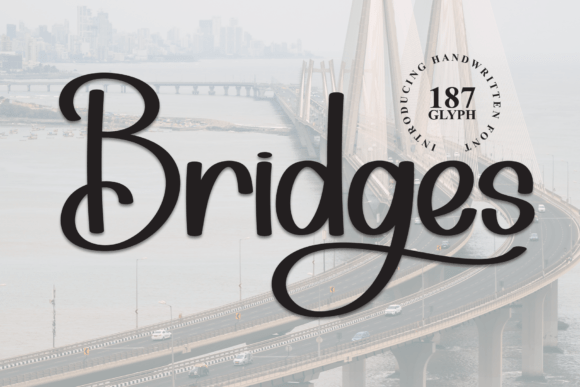
Bridges stands out as a hand-drawn script font that brings a sense of joy and approachability to any design. Unlike generic typefaces, it carries a distinct personality—quirky, fun, and human. This makes it ideal for projects that aim to feel personal, heartfelt, or whimsical. But beyond its aesthetic appeal, Bridges offers strategic value when used with purpose. It can help establish brand tone, enhance storytelling, and create memorable visual identities.
For entrepreneurs and marketers, choosing the right typography isn't just about style—it's about signaling. A playful font like Bridges communicates openness, creativity, and friendliness. In contrast, overly formal fonts may unintentionally distance your audience. When used appropriately, Bridges can support brand alignment and emotional resonance, especially in niches that value authenticity and warmth.
When to Use Bridges
The decision to use Bridges should align with your communication goals and audience expectations. It's particularly effective in contexts where a lighthearted tone enhances the message. Consider using it in:
- Wedding invitations and event designs
- Greeting cards and personal correspondence
- Children's book illustrations or educational materials
- Branding for small businesses with a friendly, boutique vibe
- Social media graphics and blog headers that aim to engage emotionally
However, not every project benefits from a whimsical font. For formal reports, corporate presentations, or high-end branding, Bridges may not be the best fit. Strategic use means selecting it only when it supports the message and audience perception you're aiming to create.
How to Approach Using Bridges Intentionally
Typography should never be an afterthought. To make the most of Bridges, consider these planning steps:
- Define your goal: Are you aiming to evoke nostalgia, joy, or playfulness? Clarify the emotional tone you want to set.
- Know your audience: Will they respond positively to a hand-drawn aesthetic? Younger audiences and creative professionals often appreciate this style, while more traditional demographics may not.
- Pair with complementary elements: Balance Bridges with simpler fonts for body text. Avoid overusing it, which can dilute its impact and reduce readability.
- Test for legibility: Ensure the font works across formats—print, digital, and mobile. Some script fonts lose clarity at smaller sizes.
- Use it consistently: If Bridges is part of your brand identity, maintain consistency across platforms to build recognition and trust.
Supporting Creativity and Branding with Bridges
One of the most powerful aspects of Bridges is its ability to spark creativity. Designers often find that choosing a distinctive font like this encourages more imaginative layouts and messaging. It can act as a catalyst for original thinking, pushing creators to explore new visual narratives and emotional tones.
From a branding perspective, Bridges can help small businesses and independent creators stand out in a crowded market. When used thoughtfully, it signals a brand that is personable, authentic, and detail-oriented. For example, a local bakery using Bridges on packaging and social media conveys a sense of warmth and care—qualities that resonate with customers seeking a personal connection.
Long-Term Value and Strategic Positioning
While trends come and go, strategic design choices endure. Bridges can be part of a long-term creative strategy if used with intention. It contributes to a cohesive brand language and helps build a visual identity that feels both unique and accessible.
Consider how Bridges fits into your broader communication plan. Does it support your brand's voice? Does it align with the emotions you want to evoke in your audience? When used as part of a well-thought-out design system, it becomes more than a stylistic choice—it becomes a tool for strategic expression.
Common Pitfalls and How to Avoid Them
Despite its charm, Bridges can be misused. Overuse, poor pairing, or mismatched context can undermine its effectiveness. Here are some common pitfalls and how to avoid them:
- Over-reliance: Don't let Bridges dominate every design element. Use it selectively to highlight key messages or titles.
- Inconsistent application: If you're using Bridges across multiple platforms, ensure it's applied consistently to avoid confusion or dilution of brand identity.
- Lack of purpose: Using Bridges without a clear reason can make your design feel random. Always tie its use back to a specific communication goal.
- Ignoring readability: Test Bridges in different formats and sizes. If it becomes difficult to read, consider alternatives or use it only for short text blocks.
Avoid the temptation to follow trends blindly. Typography should serve your message, not distract from it. When you choose Bridges, do so because it enhances your communication—not just because it looks cute.
Final Thoughts: Making Intentional Design Decisions
Design is a language, and typography is one of its most expressive tools. Bridges offers a unique voice—one that's warm, playful, and full of character. But like any tool, its value lies in how you use it. Strategic designers understand that typography isn't just about aesthetics; it's about meaning, clarity, and connection.
By approaching Bridges with intention, you can create designs that not only look good but also communicate effectively. Whether you're launching a new brand, designing a marketing campaign, or simply crafting a personal note, thoughtful use of this font can add a meaningful layer of personality and charm.