Daisy Time: A Strategic Choice for Creative Typography
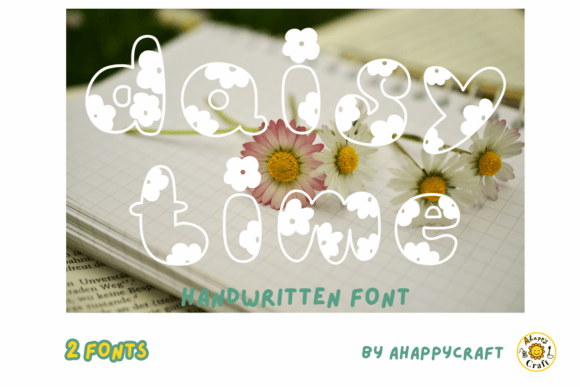
Typography plays a quiet but powerful role in shaping perception, tone, and engagement. Daisy Time stands out as a unique handwritten display font, not just for its visual charm but for the emotional resonance it brings to design. With daisy flower cut-outs inside each letter, this font offers a cheerful, soft aesthetic that appeals to creators seeking warmth and personality in their work. Whether used in greeting cards, scrapbooking, or spring-themed designs, Daisy Time is more than a decorative font—it’s a strategic design tool that can enhance communication and brand expression when applied with intention.
Understanding the Value of Daisy Time
At its core, Daisy Time is designed to evoke a sense of joy and approachability. The floral cut-outs inside each character add a layer of detail that can transform a simple message into a memorable visual experience. While many fonts aim for clarity or bold impact, Daisy Time offers a softer, more whimsical alternative. This makes it particularly valuable in creative niches where warmth and personality are key to connecting with audiences.
For entrepreneurs, marketers, and designers, the choice of typography isn’t just about aesthetics—it’s about strategic alignment. Daisy Time supports creative branding efforts by reinforcing a message of freshness, care, and attention to detail. When used appropriately, it can help establish a distinct visual identity that feels both personal and professional.
How Daisy Time Supports Creative Goals
Design is never neutral—it either supports or undermines your message. Daisy Time, with its handwritten charm and floral details, can be a powerful ally in crafting communications that feel personal and inviting. Whether you're designing a product label, a seasonal promotion, or a personal blog header, this font helps set a tone that’s approachable yet polished.
- Brand positioning: Use Daisy Time to reinforce a brand personality that’s warm, nurturing, or nature-inspired.
- Customer experience: In greeting cards or packaging, the font adds a personal touch that can elevate the unboxing or reading experience.
- Content marketing: For bloggers or educators creating printable resources, Daisy Time adds a handmade aesthetic that feels intentional and crafted.
When to Use Daisy Time (And When Not To)
While Daisy Time is versatile, it's not universally applicable. Understanding the right context for this font is essential to leveraging its strengths without undermining professionalism or clarity. It works best in designs that aim to feel personal, seasonal, or emotionally resonant.
Consider using Daisy Time in the following scenarios:
- Seasonal promotions, especially during spring or summer
- Handmade product packaging or labels
- Invitations and greeting cards
- Personalized scrapbooks or memory books
- Blog graphics or digital content aimed at a feminine or nature-oriented audience
Conversely, Daisy Time may not be the best choice for:
- Technical or corporate communications
- Long-form body text where readability is critical
- Brands that aim for a minimalist or high-tech aesthetic
Planning Your Use of Daisy Time
Strategic typography starts with planning. Before incorporating Daisy Time into your design, consider the following factors:
- Target audience: Does the font align with the preferences and expectations of your audience?
- Message tone: Is the message playful, heartfelt, or seasonal? Daisy Time enhances messages that are light and positive.
- Visual hierarchy: Use Daisy Time for headlines or accents rather than body text to maintain legibility and impact.
- Brand consistency: Does the font fit within your existing visual identity, or does it introduce a new tone that needs to be supported elsewhere?
Maximizing Daisy Time’s Creative Potential
Because Daisy Time comes in two styles, it offers built-in flexibility for creative projects. One style may be more suitable for bold headlines, while the other can work well in supporting text or subheadings. This versatility allows designers to create layered, dynamic compositions without relying on multiple fonts.
To make the most of Daisy Time:
- Pair it with clean sans-serif fonts for contrast and balance.
- Use it sparingly to maintain visual impact.
- Experiment with color—soft pastels or natural tones enhance the font’s floral character.
- Combine with botanical or hand-drawn elements to create a cohesive theme.
Avoiding Common Typography Pitfalls
Typography missteps can dilute your message or confuse your audience. Daisy Time, while beautiful, can become overwhelming if overused or mismatched with other design elements. Avoid these common issues:
- Overuse: Using Daisy Time for too much text can reduce readability and cause visual fatigue.
- Mismatched pairings: Combining it with overly formal or rigid fonts can create a jarring contrast.
- Lack of purpose: Choosing a font simply because it looks cute, rather than because it supports your message, can weaken your design’s effectiveness.
Strategic Typography for Long-Term Impact
Typography is a long-term asset in your brand’s visual strategy. Choosing fonts like Daisy Time that align with your brand personality and creative goals ensures consistency and recognition over time. When used thoughtfully, this font can become a signature element of your design toolkit—evoking warmth, creativity, and connection with every use.
Consider how Daisy Time might fit into your broader design system:
- As part of a seasonal design rotation that reflects different moods or themes
- In customer-facing materials that benefit from a personal touch
- As a visual cue for limited-time offers or special editions
Final Thoughts: Typography as a Strategic Decision
Choosing Daisy Time isn’t just about aesthetics—it’s about making a deliberate design decision that supports your message, audience, and brand values. Whether you're a small business owner crafting product packaging or a blogger designing printable content, thoughtful typography like Daisy Time can elevate your work and deepen your connection with your audience.
By understanding its strengths, planning its use, and applying it with intention, you can turn Daisy Time into more than a font—it becomes a tool for better communication, stronger branding, and more meaningful creative expression.