Press Type: Strategic Design Choices for Impactful Visual Communication
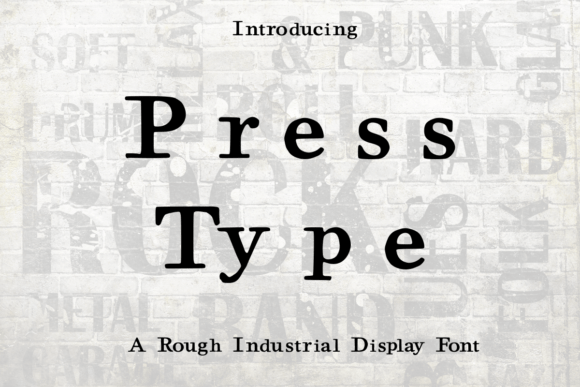
Choosing the right typeface is more than an aesthetic decision—it's a strategic one. Press Type, a bold display font with a distressed letterpress texture, offers designers and brands a powerful tool to convey strength, authenticity, and industrial character. Its rugged appearance makes it ideal for projects that demand attention while grounding visuals in a tactile, handcrafted feel.
Why Press Type Matters in Visual Strategy
In a world saturated with digital precision, Press Type stands out by embracing imperfection. Its distressed texture mimics the raw quality of old printing methods, creating a sense of history and authenticity. This makes it particularly effective for brands aiming to connect with audiences on an emotional level through nostalgia or a sense of craftsmanship.
From a strategic standpoint, Press Type isn't just about style—it's about positioning. When used intentionally, it reinforces a brand’s identity, especially in urban, vintage, or industrial contexts. Whether it's for packaging, branding, or editorial design, this font can help anchor a visual language that speaks directly to a target audience.
Use Cases That Leverage Press Type Effectively
- Urban Packaging – Beverage labels, artisanal product packaging, or limited-edition merchandise benefit from the textured strength of Press Type, giving products a bold, memorable presence on shelves.
- Vintage-Style Posters – For events or promotions that lean into retro aesthetics, this font adds a tactile layer that enhances the overall storytelling.
- Streetwear Branding – Fashion labels that want to project a raw, rebellious image often use Press Type in logos and apparel tags to communicate attitude and authenticity.
- Editorial Layouts – In magazines or zines with a focus on culture, design, or underground movements, Press Type can be used for impactful headlines that draw the reader in.
How to Approach Press Type Strategically
Like any strong visual element, Press Type should be used with intention. Consider the following when integrating it into your design or branding strategy:
- Align with Brand Personality – Does your brand speak in a voice that’s bold, grounded, or raw? If so, Press Type can serve as a visual extension of that tone.
- Balance with Simpler Elements – Because of its heavy texture, it works best when paired with clean, minimalist typography or backgrounds. This ensures readability and visual hierarchy.
- Test Across Mediums – Print and digital applications can render texture differently. Always test how Press Type appears across packaging, signage, websites, and social media to maintain consistency.
When to Use (and When Not to Use) Press Type
Press Type excels in environments where a tactile, handcrafted aesthetic supports the message. However, it may not be suitable for all contexts. Avoid using it in situations that require:
- High Readability at Small Sizes – Due to its distressed texture, it can become illegible when used too small.
- Formal or Corporate Communications – Its rugged appearance may clash with the polished tone of corporate branding or legal documents.
- Overuse Across Brand Touchpoints – Limit its application to key visual elements to avoid overwhelming the viewer and diluting its impact.
Planning for Long-Term Brand Consistency
Fonts like Press Type can become signature elements of a brand’s visual identity. To ensure they contribute positively over time:
- Define Usage Guidelines – Include rules for when and how to use Press Type in your brand style guide. This helps maintain consistency across teams and campaigns.
- Evaluate Longevity – Trends come and go. Ask whether the industrial aesthetic of Press Type aligns with your brand’s long-term vision or if it’s being used as a short-term stylistic flourish.
- Consider Licensing – Ensure you have the appropriate license for commercial use, especially if you're deploying it across multiple products or digital platforms.
Understanding the Risks of Misuse
While Press Type can elevate a design, using it without clear strategic intent can lead to unintended consequences. Overuse or inappropriate application may:
- Confuse Brand Messaging – If the font doesn’t align with your brand’s values, it can create dissonance between your visual and verbal tone.
- Alienate Target Audiences – A distressed, industrial look may not resonate with more refined or formal customer segments.
- Reduce Readability and Accessibility – Especially in digital formats, the texture can interfere with legibility for users with visual impairments.
Using Press Type Intentionally, Not Randomly
The most effective design decisions are those made with purpose. Before choosing Press Type, ask yourself:
- Does this font support the message we’re trying to convey?
- Will it enhance or distract from the user experience?
- Is it aligned with our brand’s personality and long-term goals?
- Have we tested it across all intended platforms and formats?
Answering these questions can help ensure that your use of Press Type is both strategic and effective.
Maximizing Creativity and Communication with Press Type
Creativity thrives when constraints are understood and respected. Press Type invites designers to work within its textured boundaries to create impactful, memorable visuals. By understanding its strengths and limitations, you can push creative boundaries without sacrificing clarity or coherence.
For example, in a product launch campaign for a craft beer brand, using Press Type on the label and promotional materials reinforces the artisanal quality of the product. Pairing it with warm color tones and kraft paper textures creates a cohesive narrative around craftsmanship and authenticity.
Final Thoughts: Making Better Design Decisions
In design, as in business, decisions matter. Choosing Press Type should be part of a broader strategic effort to communicate value, build brand recognition, and create meaningful connections with your audience. It’s not just a font—it’s a tool for storytelling, positioning, and differentiation.
When used thoughtfully, Press Type can elevate your visual communication, support your brand’s narrative, and help you stand out in a crowded marketplace. But like any powerful tool, it requires intention, planning, and a clear understanding of your goals to be used effectively.