Holiday Beach: A Practical Font for Purposeful Design Projects
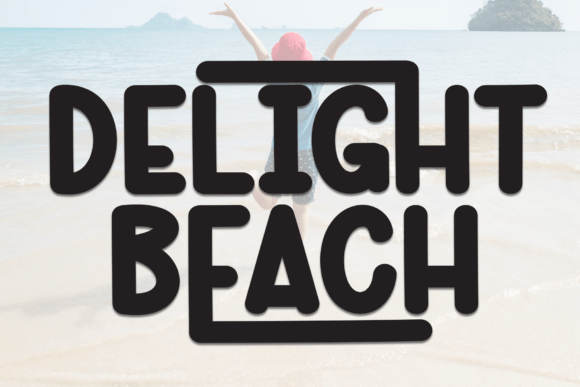
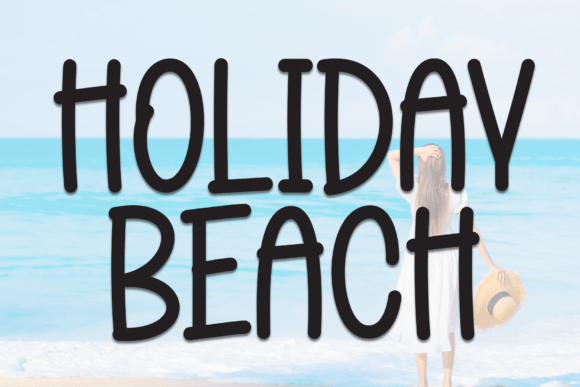
Choosing the right font is more than a design detail—it’s a decision that affects how your message is received. Holiday Beach stands out as a display font that blends warmth with clarity, making it ideal for creators who need to communicate authenticity without sacrificing professionalism. Whether you're designing a brand identity, crafting a headline, or working on a personal project, Holiday Beach offers a clean, approachable structure that enhances readability and emotional resonance.
Understanding Holiday Beach in the Design Workflow
Holiday Beach fits naturally into the early stages of a design project, especially when tone and visual language are being established. As a display font, it’s best suited for short bursts of text—headlines, logos, banners, and call-out quotes—where impact matters more than volume. Its balanced letterforms ensure that each word feels intentional and readable, making it a reliable choice when you want to convey friendliness without informality.
Designers and marketers often begin by selecting a core brand typeface, and Holiday Beach can serve as either a primary or supporting font depending on the context. It pairs well with simpler sans-serif fonts for body text, allowing it to shine without overwhelming the layout. This compatibility makes it easy to integrate into existing design systems, especially those that prioritize warmth and accessibility.
Using Holiday Beach Before, During, and After Your Project
Before diving into a project, it’s helpful to explore how Holiday Beach might shape the tone of your message. Consider using it in mood boards or early mockups to gauge its emotional impact. At this stage, it functions as a tool for setting expectations—helping stakeholders or team members understand the visual direction before committing to broader design decisions.
During the active design phase, Holiday Beach can be applied strategically. Use it for key headlines in marketing materials, branding assets, or website headers. Because of its legibility at larger sizes, it works especially well in digital and print banners, social media graphics, and packaging labels. It’s also effective in editorial design, where a touch of personality can elevate otherwise functional content.
After a project is completed, Holiday Beach continues to support consistency. If used as part of a brand’s visual identity, maintaining its application across future materials ensures long-term recognition. This kind of typographic continuity helps reinforce brand trust and familiarity, which is especially valuable for businesses and creators aiming for a cohesive presence across platforms.
Integration with Other Tools and Workflows
Holiday Beach integrates smoothly with most modern design tools, including Adobe Creative Cloud applications, Figma, Sketch, and Canva. It’s also compatible with web platforms via services like Google Fonts or Adobe Fonts, allowing for consistent use across both print and digital environments. This flexibility makes it a practical choice for cross-platform branding efforts.
- Adobe Illustrator: Ideal for logo design and vector illustrations where clean lines and character spacing are critical.
- Figma: Works well in UI/UX mockups, especially for apps or websites that aim to feel friendly and approachable.
- Canva: Easily accessible for non-designers building social media posts, presentations, or promotional banners.
For developers and web designers, embedding Holiday Beach into a website is straightforward. Use standard @font-face declarations or link to a hosted font service. When applying it online, pair it with system fonts or web-safe alternatives for fallback options, ensuring readability across devices and browsers.
Practical Implementation Tips
Here are some actionable ways to use Holiday Beach effectively in your work:
- Use at appropriate sizes: Holiday Beach shines at medium to large sizes. Avoid using it for small body text where its character details may become distracting.
- Maintain contrast: Pair it with thinner or more neutral fonts to create visual balance. For example, use it as a headline font with a simple sans-serif like Open Sans or Lato for paragraph text.
- Limit usage: To preserve its impact, reserve Holiday Beach for key messages rather than using it throughout an entire layout.
- Test across mediums: Preview how it looks on screens and in print to ensure consistency in spacing and weight.
When working with Holiday Beach in branding, it’s helpful to define usage guidelines early. This includes specifying which weights are used for headlines, subheadings, and special cases. Maintaining a style guide ensures that everyone involved in content creation—whether in-house designers, freelancers, or external agencies—uses the font consistently.
Factors to Consider for Long-Term Use
As with any design asset, integrating Holiday Beach into your workflow involves more than just selecting a font. Here are some considerations to help ensure long-term usability:
- Compatibility: Ensure the font supports all necessary characters and languages if your content reaches a global audience.
- Licensing: Review usage rights, especially if you're using the font commercially or embedding it on a website.
- Consistency: Maintain a unified application of the font across all materials to support brand recognition.
- Efficiency: Optimize file sizes when using Holiday Beach on websites to maintain fast load times without compromising quality.
One of the most practical ways to incorporate Holiday Beach is by saving it as a preset in your design software. This allows for quick access and reduces the risk of inconsistent application across projects. If you're working in a team environment, sharing font presets or using design systems that include Holiday Beach ensures everyone stays aligned.
Real-World Applications and Use Cases
Holiday Beach is especially effective in contexts where warmth and clarity are central to the message. Here are a few practical use cases:
- Branding for lifestyle brands: Whether it’s a boutique coffee shop or a wellness studio, Holiday Beach adds a touch of personality while remaining professional.
- Event promotions: Perfect for posters, invitations, and digital banners where readability and emotional appeal matter.
- Children’s media and educational content: Its approachable style makes it suitable for books, apps, and learning materials aimed at younger audiences.
- Personal blogs and creative portfolios: Adds a human touch to websites and digital content where authenticity is key.
For entrepreneurs launching a new product or service, Holiday Beach can be part of the initial brand rollout. Use it in landing pages, product packaging, and promotional graphics to create a cohesive and inviting experience. Similarly, educators and content creators can use it in course materials or social media to make learning feel more approachable and engaging.
Final Thoughts on Integrating Holiday Beach
Holiday Beach is more than a font—it's a tool for shaping how your message is perceived. By integrating it thoughtfully into your design and communication workflows, you can enhance both the clarity and emotional resonance of your content. Whether you're working on branding, marketing, or personal projects, its clean structure and warm appeal make it a versatile choice that adapts well to a variety of contexts.
As you incorporate Holiday Beach into your work, remember to approach it like any other design decision: with intention, consistency, and purpose. By understanding where and how it fits into your process, you’ll be able to leverage its strengths to support your creative and professional goals.