Desert: A Playful Handwritten Font for Joyful Design Projects
What Is Desert?
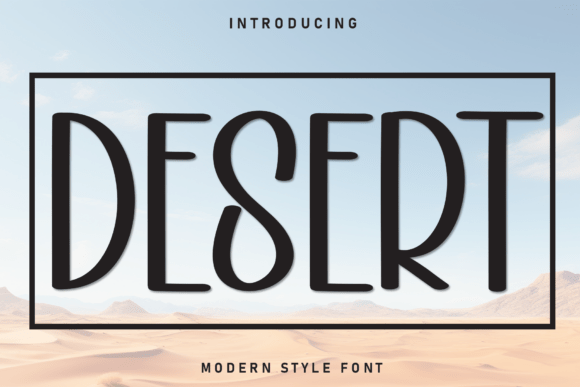
Desert is a charming and approachable handwritten display font designed to bring a sense of warmth, playfulness, and personality to creative projects. With its soft curves, balanced spacing, and organic flow, Desert mimics natural handwriting while maintaining readability and design cohesiveness. It is particularly well-suited for projects that benefit from a personal, handcrafted touch without sacrificing clarity or professionalism.
Why Consider Desert?
Designers and creators often seek fonts that not only convey a message but also evoke a specific emotion or atmosphere. Desert stands out as an excellent choice when the goal is to create a light-hearted, joyful, or romantic impression. Whether used in print or digital formats, this font adds a layer of approachability that can help audiences feel more connected to the content.
Its appeal lies in its ability to bridge the gap between artistic expression and functional typography. For those working on projects that demand both visual appeal and readability, Desert offers a versatile solution that can enhance the overall aesthetic without overwhelming the viewer.
Key Benefits of Using Desert
- Playful yet readable: Desert maintains legibility even at smaller sizes, making it suitable for both headlines and body text in the right context.
- Versatile application: It works well across a variety of design formats, including wedding invitations, greeting cards, branding materials, and social media graphics.
- Emotional resonance: The handwritten nature of Desert helps convey sincerity, warmth, and creativity—ideal for personal or emotionally driven projects.
- Easy integration: As a display font, it pairs well with simpler sans-serif or serif fonts, allowing for balanced and visually appealing layouts.
Considerations and Tradeoffs
While Desert offers many strengths, it's important to evaluate its suitability based on the specific needs of your project. Like many display fonts, Desert is best used for short bursts of text rather than long-form content. Overuse or improper application can lead to visual fatigue or reduced readability.
Additionally, because of its playful aesthetic, Desert may not be appropriate for formal, technical, or corporate communications. Designers should also consider the broader typographic ecosystem—using Desert in combination with other fonts can enhance its impact while maintaining overall design harmony.
When Desert Is a Strong Fit
Desert shines in design contexts where a sense of personality and warmth is desired. Some ideal use cases include:
- Wedding and event invitations: Its romantic and elegant feel makes it a popular choice for couples looking to add a personal touch to their stationery.
- Handmade and artisan branding: Businesses that want to project authenticity and craftsmanship can benefit from Desert’s organic, hand-drawn appearance.
- Children’s materials and whimsical illustrations: Whether used in books, posters, or educational materials, Desert adds a sense of joy and approachability.
- Social media and digital marketing: Content creators aiming to stand out with expressive visuals often use Desert to add flair to their graphics and captions.
When to Explore Alternatives
While Desert is a versatile font, it may not always be the best option. Projects requiring a more formal tone, high contrast, or extensive body text may benefit from alternative typefaces. For example:
- Corporate reports or academic papers: These contexts often call for more traditional serif or sans-serif fonts that prioritize clarity and neutrality.
- Technical documentation: Fonts like Arial, Helvetica, or Times New Roman are typically more suitable for conveying complex or detailed information.
- Minimalist branding: If the design direction leans toward clean, modern aesthetics, a sleek sans-serif may better align with the intended message.
Practical Insights for Choosing Desert
When evaluating Desert for your next project, consider the following factors to ensure it aligns with your creative goals:
- Project tone: Does your design aim to feel personal, joyful, or romantic? If so, Desert could be a strong contender.
- Target audience: Consider who will be viewing the design. Desert may resonate more with younger demographics or those drawn to artisanal aesthetics.
- Text length: Use Desert for headlines, titles, or short phrases. Avoid using it for lengthy paragraphs or dense blocks of text.
- Pairing potential: Think about how Desert will work alongside other fonts. Combining it with a clean, neutral typeface can create visual balance and improve readability.
- Brand personality: If your brand voice is playful, creative, or heartfelt, Desert can help reinforce that identity visually.
Final Thoughts
Desert is a well-crafted handwritten display font that brings a sense of charm and liveliness to design projects. While it may not be universally applicable, it offers a unique combination of readability, personality, and emotional resonance that makes it worth considering for the right context.
Ultimately, the decision to use Desert should be guided by the tone, audience, and purpose of your design. By understanding its strengths and limitations, you can make an informed choice that enhances your creative output and connects more deeply with your audience.