Writing Dreams: A Unique Typeface for Creative Expression
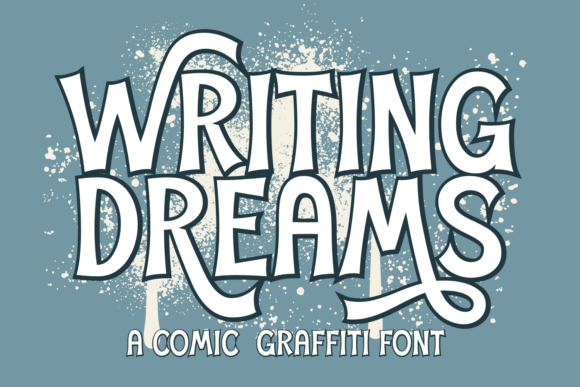
Typography plays a crucial role in shaping the visual identity of any creative project. Whether you're designing a logo, a comic book, or promotional material, the choice of font can significantly influence how your message is perceived. Among the many display fonts available, Writing Dreams stands out as a distinctive option that blends the whimsical charm of cartoon-style lettering with the raw energy of street art.
What Makes Writing Dreams Unique?
Writing Dreams is more than just a font — it's a stylistic statement. Its design incorporates the playful essence of animated typography with the edgy feel of graffiti, making it ideal for projects that aim to be both expressive and unconventional. Unlike standard sans-serif or serif fonts, this typeface carries a distinct personality, allowing designers to inject a sense of fun and creativity into their work.
One of the key features of Writing Dreams is its comprehensive character set. It includes uppercase and lowercase letters, numerals, punctuation marks, and symbols, making it suitable for a wide range of applications. Additionally, it offers multilingual support, which is a significant advantage for designers working on international projects or content that requires non-Latin characters.
Comparing Writing Dreams with Similar Fonts
When evaluating display fonts, it's important to consider how they compare to other options in the same category. Many fonts attempt to capture a playful or urban aesthetic, but few manage to do so with the same balance as Writing Dreams. For instance, graffiti-inspired fonts often lean heavily into the street art vibe, which can sometimes feel too aggressive or niche for general use. On the other hand, cartoon-style fonts may come across as overly childish or cartoonish, limiting their applicability in more mature contexts.
Writing Dreams strikes a middle ground. It retains the energetic and slightly rebellious flair of graffiti while maintaining a whimsical, approachable quality that makes it versatile across different design scenarios. Compared to more rigid or formal display fonts, it offers a refreshing alternative that can help a design stand out without alienating its audience.
Strengths and Limitations of Writing Dreams
Like any design tool, Writing Dreams has its strengths and limitations. One of its strongest attributes is its ability to convey emotion and character. This makes it particularly effective for branding projects, event promotions, and creative media where a unique visual identity is essential. Its cartoon-style lettering works especially well in contexts such as:
- Comic book lettering
- Animated video titles
- Casual apparel branding
- Children's book illustrations
However, because of its stylized nature, Writing Dreams may not be the best choice for long-form text or formal documents. Its decorative qualities, while a strength in visual design, can reduce readability in body text settings. Additionally, its distinct aesthetic may not align with projects that require a minimalist or professional tone, such as corporate reports or academic publications.
When to Choose Writing Dreams
The decision to use Writing Dreams should be based on both the visual goals of the project and the intended audience. It is particularly well-suited for:
- Logotype design where a playful, memorable brand identity is desired
- Event flyers for music festivals, art shows, or youth-oriented events
- Apparel and accessory design where typography is part of the visual appeal
- Game and app titles that benefit from a bold, youthful aesthetic
Designers working in these areas will find that Writing Dreams provides a strong foundation for creating engaging and expressive visuals. It is especially useful when the goal is to evoke a sense of nostalgia, fun, or artistic freedom.
When to Consider Alternatives
While Writing Dreams offers a compelling visual style, there are situations where a different font may be more appropriate. For example, if a project requires:
- High readability in long text blocks
- A more classic or elegant appearance
- Compatibility with formal or corporate branding
In such cases, designers may want to explore other display fonts or even transition to more traditional serif or sans-serif typefaces. There are also hybrid fonts that blend decorative elements with improved legibility, which might serve as a middle-ground solution depending on the project's needs.
Practical Examples and Use Cases
To better understand how Writing Dreams functions in real-world applications, consider the following examples:
- Comic Book Titles: The font’s expressive letterforms naturally complement the visual storytelling of comics, making it an excellent choice for cover titles and speech bubbles.
- Music Album Covers: Artists aiming for a bold, edgy, or whimsical image can use this font to create a strong visual hook that aligns with the album’s mood.
- Product Packaging: Brands targeting younger audiences or those seeking to stand out on crowded shelves can use Writing Dreams to add a distinctive typographic flair.
These examples illustrate how the font’s personality can enhance a design when used in the right context. However, they also highlight the importance of matching font style to the intended message and audience.
Making an Informed Choice
Selecting the right font is a nuanced decision that goes beyond aesthetics. While Writing Dreams offers a compelling blend of cartoon charm and graffiti edge, it is not a one-size-fits-all solution. Designers should consider factors such as readability, brand tone, target audience, and the medium in which the font will be used.
When used appropriately, Writing Dreams can elevate a design from ordinary to memorable. It allows creators to communicate with both style and substance, offering a visual language that is expressive, engaging, and uniquely its own. Whether you're a content creator, marketer, or graphic designer, understanding when and how to use this font can help you make more informed, effective design decisions.