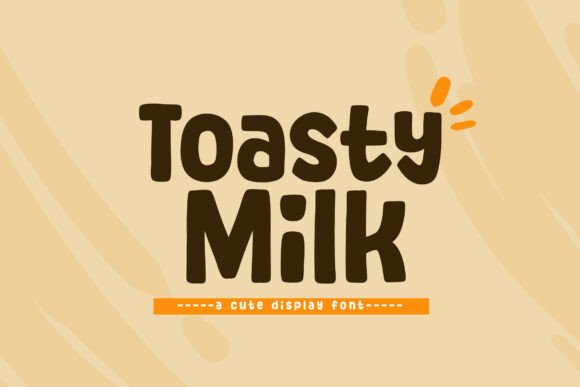
Toasty Milk: A Cute Display Font with Hidden Potential
What Makes Toasty Milk Stand Out?
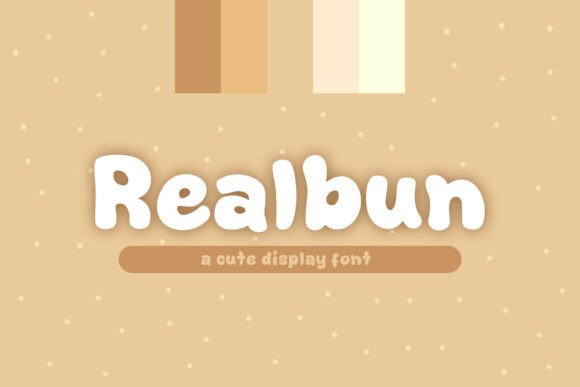
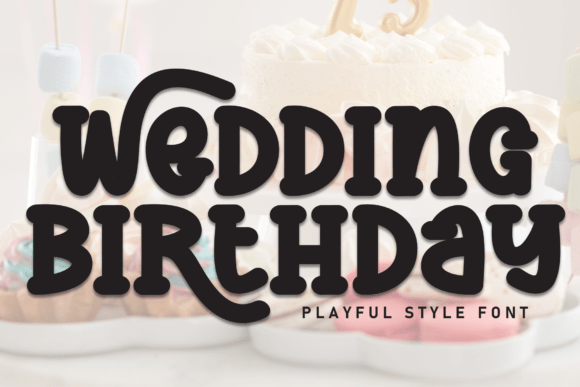
Toasty Milk isn’t just another pretty font—it’s a modern, playful display typeface that brings warmth and personality to any design. Its soft curves, balanced weight, and slightly whimsical charm make it ideal for creative projects like posters, logos, book covers, and digital banners. Whether you're a professional designer or a small business owner creating social media graphics, Toasty Milk can elevate your visuals with minimal effort.
However, like any design tool, it's not without its pitfalls. Many users overlook important details when choosing, applying, or purchasing Toasty Milk, which can lead to disappointing results. Let’s explore some common mistakes and how you can avoid them to make the most of this unique font.
Mistake #1: Assuming It Works for Everything
One of the most frequent missteps is using Toasty Milk for inappropriate contexts. While its charm is undeniable, it’s a display font—meaning it's best suited for headlines, titles, and short text blocks. Trying to use it for long paragraphs or body copy can hurt readability and frustrate your audience.
Better approach: Use Toasty Milk for headings and pair it with a clean sans-serif or serif font for body text. This contrast maintains visual interest while ensuring your message is easy to digest.
Mistake #2: Ignoring Licensing Details
Another common issue is not checking the licensing terms before downloading or purchasing Toasty Milk. Some font licenses restrict commercial use, web embedding, or redistribution. If you're using the font for a client project, product packaging, or a website, you need to confirm that your usage falls within the allowed scope.
Better approach: Always read the license agreement carefully. If you're unsure, reach out to the font creator or vendor for clarification. Buying a commercial-use license upfront can save you from legal issues later.
Mistake #3: Overusing Stylistic Alternatives
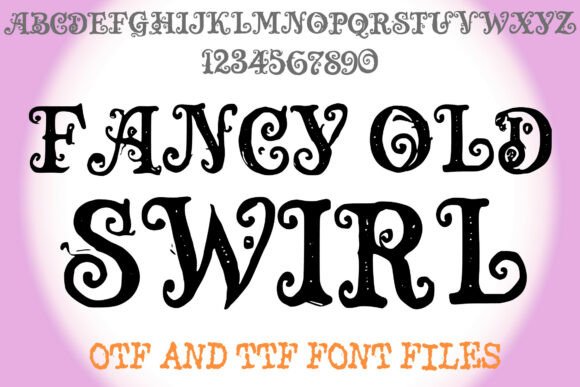
Toasty Milk often comes with a range of stylistic alternates, ligatures, and swashes that can add flair to your designs. But using too many variations at once can make your typography look cluttered or amateurish.
Better approach: Choose one or two alternate characters to highlight key words or letters. Use them sparingly to maintain visual harmony and avoid overwhelming your audience.
Mistake #4: Not Checking File Formats
Some users download Toasty Milk only to find out it doesn’t include the file formats they need—like WOFF for websites or SVG for mobile apps. This oversight can delay projects or force you to convert files, which may cause compatibility issues.
Better approach: Before purchasing, verify that the font package includes all necessary formats for your intended use. Most reputable font platforms list this clearly, but it's always good to double-check.
Mistake #5: Skipping the Test Drive
It’s easy to fall in love with a font based on a sample image, but seeing how Toasty Milk performs in your specific context is crucial. Different letter combinations, spacing, and background colors can dramatically affect its appearance.
Better approach: Use online font preview tools or download trial versions if available. Type out your actual content and see how it looks in your layout before committing.
What to Check Before You Buy or Use Toasty Milk
Before adding Toasty Milk to your design toolkit, consider the following checklist:
- Intended use: Will it be used for print, web, or both?
- Licensing: Is the font allowed for commercial use or redistribution?
- Character set: Does it support all the languages or special characters you need?
- File formats: Are the necessary web and desktop formats included?
- Compatibility: Does it render well across different devices and browsers?
- Pairing options: Can it be combined effectively with other fonts in your brand kit?
How to Get the Most from Toasty Milk
Toasty Milk shines when used with intention. Here are a few tips to ensure your designs stand out:
- Stick to one or two weights: Don’t overload your design with too many variations unless you're experienced with typography hierarchy.
- Use ample white space: Let the font breathe by surrounding it with enough space, especially in poster or logo designs.
- Match the tone: Toasty Milk works best for brands or messages that feel friendly, approachable, and creative. Align your color palette and imagery accordingly.
- Test in context: View your design at different sizes and on different screens to ensure legibility and impact.
Real-World Examples of Toasty Milk Done Right
A children’s book publisher used Toasty Milk for their book titles, pairing it with a simple sans-serif for chapter headings. The result was charming and easy to read, appealing to both kids and parents.
Another example is a local bakery that chose Toasty Milk for their Instagram posts and packaging labels. The warm, inviting look of the font matched their brand voice perfectly, helping them stand out in a crowded market.
In both cases, the designers took the time to understand the font’s strengths and limitations. They avoided common mistakes and leveraged Toasty Milk as part of a broader design strategy, not just an aesthetic choice.
Final Thoughts
Toasty Milk is more than a cute font—it's a versatile tool that, when used thoughtfully, can enhance your creative projects. By avoiding common mistakes and making informed decisions, you can ensure your designs are both beautiful and effective.
Whether you're a blogger designing graphics for your next post or a small business owner crafting your brand identity, Toasty Milk offers a unique opportunity to connect with your audience visually. Just remember to use it wisely, pair it well, and always test before you publish.