Start Story: A Cute Display Font That Deserves a Second Look
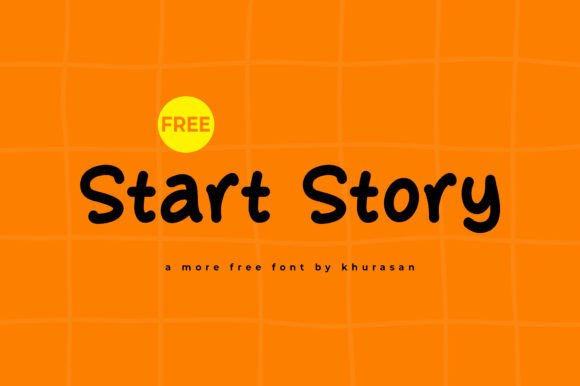
Start Story is more than just another font in your design toolkit—it's a modern, charming display typeface that brings personality and clarity to a wide variety of visual projects. Whether you're designing a book cover, a promotional poster, or a social media banner, Start Story can help your message stand out with its friendly and approachable aesthetic.
What makes Start Story particularly appealing is its versatility. It works beautifully in both print and digital formats, and its clean lines and soft curves make it easy to read at a glance. But like any design tool, it's not without its pitfalls. Many users—especially those new to typography—make avoidable mistakes that can limit the font's effectiveness or even compromise the professionalism of their work.
Common Missteps When Using Start Story
One of the most frequent errors is using Start Story in contexts where it doesn’t perform well. While it's excellent for headlines and short blocks of text, it's not designed for long-form content like body copy or paragraphs. Trying to use it in extended reading formats can strain the reader's eyes and reduce comprehension.
Another common issue is overusing the font across multiple design elements. For example, using Start Story for both headings and subheadings, or layering it with other decorative fonts, can create visual clutter. This diminishes the font’s charm and makes the overall design feel unbalanced.
Overlooking Licensing Details
Many users assume that once they've downloaded Start Story, they can use it freely in any project. That’s not always the case. Depending on where you acquire the font, there may be restrictions on commercial use, web embedding, or redistribution. Ignoring these terms can lead to legal issues, especially if you're a small business owner or freelancer working on client projects.
Before downloading or purchasing Start Story, check the licensing agreement carefully. If you're unsure, reach out to the provider or choose a version that clearly states it's free for commercial use.
Choosing the Wrong Pairing
Typography is all about balance, and Start Story shines best when paired with complementary fonts. However, many designers fall into the trap of combining it with overly complex or contrasting typefaces. This mismatch can create visual tension and distract from the intended message.
A better approach is to pair Start Story with a clean, minimalist sans-serif or a soft serif font. This contrast allows Start Story to take center stage while maintaining readability and design harmony. For example, using Start Story for a headline and a simple font like Open Sans for supporting text creates a cohesive and professional look.
Misjudging the Context
While Start Story is undeniably cute and playful, it may not be appropriate for all contexts. Using it in formal or technical materials—such as legal documents, academic reports, or corporate presentations—can undermine the seriousness of the content. It’s important to match the tone of your font to the tone of your message.
If you're unsure whether Start Story fits your project, ask yourself: does the font enhance the message or distract from it? If you're designing a children's book or a boutique brand identity, Start Story could be perfect. But for a financial report or a healthcare website, you might want to choose something more neutral and professional.
Underestimating the Power of Kerning and Spacing
Even the best fonts can look off when spacing is ignored. Start Story, with its rounded edges and open forms, benefits greatly from careful attention to kerning and line spacing. Neglecting these details can make text appear cramped or uneven, especially when used at larger sizes or in logo designs.
Take the time to manually adjust spacing, especially in titles or branding materials. This small effort can make a big difference in how polished and professional your design appears.
Not Previewing Across Devices
Start Story looks great on your design software, but what about on a mobile screen or a printed flyer? Many users skip the crucial step of testing how the font renders across different platforms and sizes. This oversight can lead to disappointing results when the font appears blurry, too light, or misaligned in real-world applications.
To avoid this, preview your design on multiple devices and in various formats. If possible, print a sample to check how the font holds up in physical form. This extra step ensures your final product looks as good in practice as it does on your screen.
How to Choose the Right Version of Start Story
There are often multiple versions of Start Story available online, ranging from free downloads to premium packages. While the free version might seem appealing, it may lack important features like multilingual support, stylistic alternates, or bold weights. These limitations can restrict your design options and force you to compromise on quality.
When choosing a version of Start Story, consider your project's needs. If you're creating something for international audiences or require specific typographic features, investing in a premium version might be worth the cost. Always download from reputable sources to avoid malware or counterfeit fonts.
Don’t Forget About Accessibility
Accessibility is often overlooked in typography, but it's a key consideration for inclusive design. Start Story, while visually appealing, has some letterforms that may be difficult to distinguish for users with visual impairments. For example, the lowercase "l" and uppercase "I" can look nearly identical in certain sizes.
To ensure your design is accessible, avoid using Start Story in small sizes or low-contrast settings. Pair it with clear background colors and ensure sufficient spacing between letters and lines. If accessibility is a top priority, consider using Start Story for decorative elements only and rely on more legible fonts for critical text.
Final Thoughts: Make Start Story Work for You
Start Story is a versatile and expressive font that can elevate your design work when used thoughtfully. By avoiding common mistakes—like misjudging context, ignoring licensing, or skipping spacing adjustments—you can ensure your projects look polished, professional, and purposeful.
Before downloading or purchasing Start Story, take a moment to evaluate your project's needs and test the font in various scenarios. With a little care and attention, this charming typeface can become a valuable part of your creative toolkit.