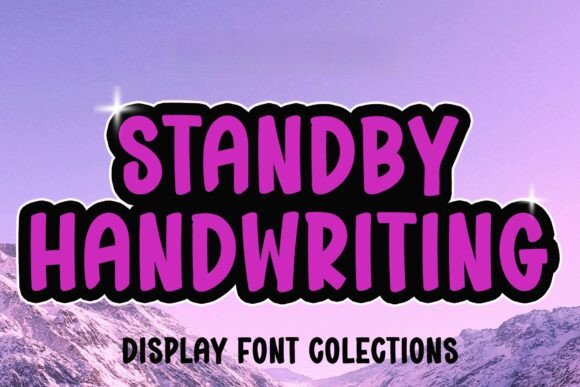
Standby Handwriting: A Playful Font with Purpose
If you're looking to inject personality into your next design project, Standby Handwriting might be exactly what you need. This bold, hand-drawn font blends the charm of natural handwriting with the impact of a display typeface. Whether you're crafting social media graphics, branding materials, or personal invitations, Standby Handwriting offers a unique balance of whimsy and professionalism.
What Makes Standby Handwriting Unique?
Unlike sterile, machine-generated fonts, Standby Handwriting carries the warmth and imperfections of real handwriting. Each letter flows smoothly into the next, mimicking the rhythm of ink on paper. It’s ideal for designers who want to create a human, approachable feel without sacrificing legibility or visual punch.
Its versatility makes it a favorite among bloggers, small business owners, and digital marketers who want to stand out in a sea of generic typography. However, like any creative tool, it can be misused—especially when users don’t fully understand its strengths and limitations.
1. Using It for Long Blocks of Text
One of the most frequent misuses of Standby Handwriting is applying it to lengthy paragraphs or body copy. While its artistic strokes are eye-catching, they can become difficult to read in extended use. This can slow down comprehension and frustrate readers.
Better approach: Use Standby Handwriting for headlines, pull quotes, or short captions. Pair it with a clean sans-serif font for body text to maintain readability while keeping your design visually engaging.
2. Overlooking Licensing Restrictions
Many designers download fonts from free repositories without checking the licensing terms. Standby Handwriting, depending on the source, may come with restrictions on commercial use or redistribution. Ignoring these terms can lead to legal issues or unexpected costs down the line.
Better approach: Always verify the license before using the font in client work or commercial products. Purchase a commercial license if needed, and keep a copy of the agreement for your records.
3. Not Checking Glyph Coverage
Some users assume that all fonts include the same character sets. However, Standby Handwriting may not support certain symbols, accents, or special characters. This can be a problem if your project includes non-English text or special punctuation.
Better approach: Preview the font's full glyph set before committing. Test it with your actual content to ensure all characters display correctly, especially if you're designing for international audiences.
4. Forcing It Into Inappropriate Contexts
Because of its playful nature, Standby Handwriting isn’t suitable for every design context. Using it in overly formal or technical settings—like legal documents or data-heavy reports—can undermine the professionalism of your message.
Better approach: Match the tone of the font to your project. Standby Handwriting shines in branding for children’s products, lifestyle blogs, or boutique packaging. When in doubt, ask whether the font supports your message rather than distracts from it.
How to Use Standby Handwriting Effectively
When used correctly, Standby Handwriting can elevate your designs and create a strong emotional connection with your audience. Here are a few practical tips to get the most out of it:
- Pair it wisely: Combine Standby Handwriting with minimalist fonts like Montserrat or Lato to balance personality with clarity.
- Use it at the right size: Smaller sizes can make the font appear cluttered. Stick to 18pt or larger for headlines to preserve its charm and legibility.
- Test in context: View your design on different screens and in print to ensure the font maintains its visual appeal across formats.
What to Check Before Downloading or Buying Standby Handwriting
Before you commit to using Standby Handwriting in your project, consider these practical checks:
- Font format: Ensure it's available in OpenType (OTF) or TrueType (TTF) formats compatible with your design software.
- Supported languages: If your project includes accented characters or non-Latin scripts, verify language support.
- Alternate styles: Some fonts come with stylistic alternates or ligatures. These can add variety and help your design feel more handcrafted.
- Vendor reputation: Download from trusted sources like reputable font marketplaces or directly from the designer’s site to avoid malware or poor quality files.
Standby Handwriting vs. Similar Fonts
There are many handwritten display fonts on the market, and it can be tempting to go with the first one you find. However, Standby Handwriting stands out due to its smooth transitions, balanced weight, and expressive character.
Some alternatives may appear similar at first glance but lack the nuanced strokes or consistent spacing that make Standby Handwriting feel authentic. Always compare a few options side by side and test them in your actual design before making a final decision.
Final Thoughts
Standby Handwriting is more than just a pretty font—it's a design tool that can bring warmth, energy, and individuality to your work. But like any creative choice, it requires thoughtful application. By avoiding common pitfalls and understanding how to use it effectively, you can ensure your designs communicate exactly what you intend—clearly, beautifully, and professionally.