Fox Thiccy: A Playful Font That Adds Personality to Your Designs
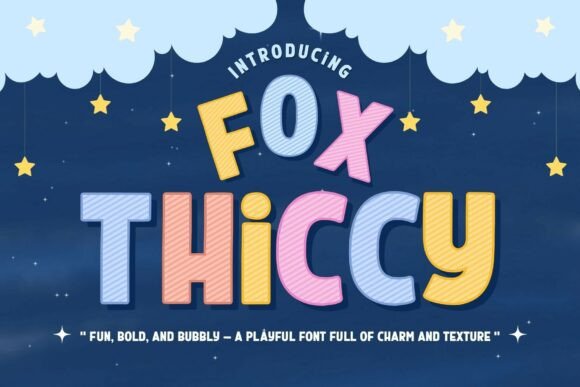
If you're looking to inject some fun and flair into your creative work, Fox Thiccy might be the perfect font family for you. Designed with a cheerful and dynamic aesthetic, Fox Thiccy brings a bubbly, engaging vibe to any project. Whether you're designing a children's book, a sticker collection, or a playful brand identity, this font's four distinct styles—Regular, Outline, Strokes, and Shadow—offer a wide range of creative possibilities.
Why Designers Love Fox Thiccy
Fox Thiccy stands out due to its versatility and expressive character. Each style brings something unique to the table: the boldness of the Regular, the sleekness of the Outline, the hand-drawn charm of Strokes, and the depth of the Shadow variant. These styles can be layered, mixed, and matched to create standout titles and visuals that capture attention without overwhelming the viewer.
Its playful texture and rounded edges make it especially effective for designs aimed at younger audiences or for any project that calls for a lighthearted, approachable tone. However, while Fox Thiccy is a joy to use, there are a few common missteps that designers—especially those new to typography—should be aware of before diving in.
Mistake #1: Overusing Decorative Styles
One of the most frequent errors when using Fox Thiccy is overloading a design with too many styles at once. It's tempting to layer Outline, Strokes, and Shadow all together to create a dramatic effect, but this can quickly lead to visual clutter.
Result: The text becomes hard to read and may distract from the main message rather than enhance it.
Better approach: Choose one or two complementary styles. For example, pairing the Regular with the Shadow style can add depth without sacrificing clarity. Reserve the more intricate combinations for secondary text or small accents.
Mistake #2: Using It for Long Blocks of Text
Fox Thiccy is designed for display use—think headlines, logos, and short phrases. It's not ideal for paragraphs or extended reading.
Result: Readers may find it tiring or difficult to follow when used in body text.
Better approach: Stick to using Fox Thiccy for titles, captions, and short bursts of text where impact matters more than readability. Pair it with a clean sans-serif or serif font for body copy to maintain a balanced visual hierarchy.
Mistake #3: Assuming All Font Styles Are Interchangeable Across Platforms
While Fox Thiccy is a downloadable font family, not all platforms or software support all font styles equally. Some design tools may not render the Strokes or Shadow styles correctly, especially if they’re using web-based editors or limited font libraries.
Result: The intended design may not display as expected, especially when shared or viewed on different devices or software.
Better approach: Always test how the font appears in your final output format. If you're designing for the web or for print, make sure to export or embed the font properly. For web use, consider converting stylized text into images or SVGs to preserve the intended look.
Mistake #4: Not Checking Licensing Before Use
Fox Thiccy, like many display fonts, may come with specific licensing terms depending on where it's purchased or downloaded from. Some versions are free for personal use only, while others require a commercial license for business or client projects.
Result: Using the font without the proper license could lead to legal issues or unexpected costs down the line.
Better approach: Always verify the font's licensing terms before using it in a professional context. If you're unsure, reach out to the creator or vendor for clarification. Purchasing a commercial license upfront is often a small investment compared to the value it brings to your project.
What to Check Before Using Fox Thiccy
Before diving into your next design with Fox Thiccy, take a few moments to review these key points:
- Compatibility: Does your design software support all four styles? Test each one before committing.
- Licensing: Is the font free for commercial use, or do you need to purchase a license?
- Readability: Will the text be legible at the intended size and background? Avoid using intricate styles on busy backgrounds.
- File Format: Do you have access to the correct file types (e.g., OTF, TTF) for your project needs?
How to Get the Most Out of Fox Thiccy
When used thoughtfully, Fox Thiccy can elevate your design from ordinary to memorable. Here are a few tips to help you make the most of this expressive font:
- Layer with Purpose: Use the Outline or Shadow style to highlight or frame your main text, rather than layering all four styles together.
- Pair Thoughtfully: Combine Fox Thiccy with a simple, clean font to create contrast and balance. Sans-serif fonts like Montserrat or Open Sans work well as companions.
- Test in Context: Always preview your design in its final format—whether digital or print—to ensure the font maintains its charm across different mediums.
- Customize for Impact: If your design tool allows, tweak letter spacing or color combinations to enhance the playful nature of the font.
Real-World Examples Where Fox Thiccy Shines
Here are a few practical applications where Fox Thiccy truly comes to life:
- Children’s Book Covers: Use the Shadow or Strokes style to give titles a whimsical, animated look.
- Sticker Designs: The bold Regular style stands out beautifully on product packaging and vinyl stickers.
- Social Media Graphics: Add a cheerful touch to your Instagram stories or Pinterest pins with layered text using Outline and Regular styles.
- Event Posters: For birthday parties, school events, or community gatherings, Fox Thiccy makes your message feel fun and inviting.
Each of these examples benefits from the font's inherent charm and flexibility. Just remember to tailor your use of the font to the specific needs of your project, and you’ll be rewarded with clean, engaging visuals.
Final Thoughts
Fox Thiccy is more than just a playful font—it's a versatile tool that adds personality and warmth to a wide variety of creative projects. By understanding its strengths and avoiding common pitfalls, you can make the most of its expressive potential without compromising clarity or professionalism.
Whether you're a seasoned designer or just starting out, taking the time to explore and experiment with Fox Thiccy’s four unique styles can open up exciting new design possibilities. Just keep your approach thoughtful, your combinations intentional, and your audience in mind—and you'll be well on your way to creating something truly special.